
Someone spent countless hours bringing a painting to perfection, only for it to be damaged in transit. Well, this sounds like a nightmare. That’s why mastering how to pack paintings for international relocation is crucial. Whether you’re an artist, collector, or simply relocating precious memories, we’ll equip you with the necessary knowledge on how to pack framed art for moving. Let’s make sure that each masterpiece is preserved for years to come.
How to Pack Paintings for Moving Internationally
According to Statista, the US has been the leading global art market since the 60’s.
If you are the creator or collector of fine art, it’s important to safeguard your collection through transition. So, do you know how to pack framed pictures for moving?
When preparing for relocation, it’s essential to assess and document each piece’s condition, understand international regulations, and choose the right packing materials.
Acid-free paper, bubble wrap, corner protectors, and custom crating are recommended for maximum protection. It’s crucial to wrap paintings carefully, safeguard corners and frames, and utilize climate-controlled transport options. Proper sealing, labeling, and custom crating enhance safety during transit. Booking professional loading and unloading services, navigating shipping and customs, and conducting post-move checks are key steps.
Hiring professional art handlers for installation and securing comprehensive insurance coverage is advisable to ensure its safety. Trusting an experienced company can simplify the entire process, providing peace of mind and ensuring a smooth and safe relocation.
Prepare Your Paintings for an Overseas Journey
Understanding the right preparation steps for the art’s safe transit is about ensuring its value, condition, and legality are preserved across borders. From documentation to compliance with international regulations, each step plays a pivotal role in the seamless relocation of your cherished pieces.
Assess and Document Your Art Collection
Before you start the boxing-up process, assess the condition of each painting. It helps in understanding the special care each piece requires and serves as a record for insurance claims in case of an accident.
Take high-quality photographs from multiple angles and create a detailed inventory list, noting down any existing damage or peculiarities. This documentation will be invaluable as a reference for ensuring each piece is returned to its original state upon unpacking.

Try to Understand International Regulations
The legal landscape for importing art varies significantly from country to country. Some nations may have restrictions or duties on artworks, depending on factors like value, age, or cultural significance. Researching these regulations is vital to avoid any surprises during the relocation process.
However, this research can be complex and time-consuming. This is where hiring a reliable company comes into play. With extensive experience in overseas transition, Schmidt International Relocations can provide invaluable assistance in navigating these complex regulations. Our team will ensure that all necessary documentation is in order, from customs forms to import permits, making the transition as smooth as possible.
Choose the Protective Packing Materials for Paintings
Selecting the right and quality supplies is very important. Different materials serve specific purposes, from preventing moisture damage to absorbing shocks during transit. The goal is to ensure everything arrives at its destination in the same condition it left, regardless of the transportation conditions it faces. Here are detailed recommendations for supplies that will offer the best protection for your collection:
- Acid-free paper – ideal for wrapping the artwork, acid-free paper prevents chemical interactions that could damage it over time. It acts as a first layer of protection, especially against moisture and direct contact with potentially abrasive materials.
- Bubble wrap – after wrapping each piece in acid-free paper, encase it in bubble wrap for cushioning. It provides excellent shock absorption, protecting the goods from the impacts and vibrations that can occur during transit.
- Corner protectors – these are essential for framed paintings. Corner protectors shield the vulnerable edges of frames from dings and scratches, maintaining the integrity of both the frame and the cover, if applicable.
- Picture boxes – invest in sturdy specialized boxes that will fit your artwork snugly. These crates are designed to accommodate framed and unframed artwork, providing structural protection against external pressures.
- Protective foam – for additional insulation and shock absorption, line the interior of your boxes with protective foam. This material adds an extra buffer against potential jolts and helps keep everything stationary.
The Importance of Climate-Controlled Solutions
For sensitive artworks, the journey to another country can be fraught with unseen dangers, particularly from fluctuations in temperature and humidity. These environmental factors can cause irreparable harm to delicate materials, leading to warping, cracking, or mold growth. This is why climate-controlled solutions are indispensable.
Professional movers understand the nuances of art transportation and offer climate-controlled containers specifically designed to maintain a stable environment. These specialized transport options ensure that the conditions inside the container remain constant, regardless of the different climates outside.
Guide on How to Pack Art for Moving Overseas
Boxing up art for a relocation across the world is about meticulous preparation and protection. The process demands attention to detail to prevent damage during the long journey. From wrapping techniques to custom crating, each step is designed to safeguard your artwork against the rigors of overseas relocation.
Wrapping Techniques for Maximum Protection
Secure wrapping is the first line of defense. Start with acid-free paper to prevent any chemical interactions that could damage the artwork. Next, layer bubble wrap for cushioning, ensuring that every inch of the piece is covered.
This method offers dual protection. The acid-free paper guards against moisture, while the wrap absorbs shocks and vibrations. For extra security, add a layer of padded paper or protective foam wrap for its moisture-resistant properties and additional cushioning.
Safeguard the Corners and Frames
Corners and frames are particularly susceptible to damage. Utilize corner protectors to shield these vulnerable areas from knocks and bumps. Additional padding may be needed for frames, especially for those with glass or delicate ornamentation. Reinforcing these areas ensures that the item’s structural integrity remains intact throughout the transit.
Seal and Label Your Crates for Easier Handling
Proper sealing and labeling of your art crates are crucial for their safe handling and efficient transportation. Use strong tape to securely seal the crates, ensuring they are closed tightly.
Effectively label each crate with handling instructions such as “Fragile,” “Artwork Inside,” and “This Side Up.” Include your contact information and the destination room. These labels communicate vital information to handlers, minimizing common mistakes and the risk of improper handling.
Get Custom Crating for Art for Ultimate Security
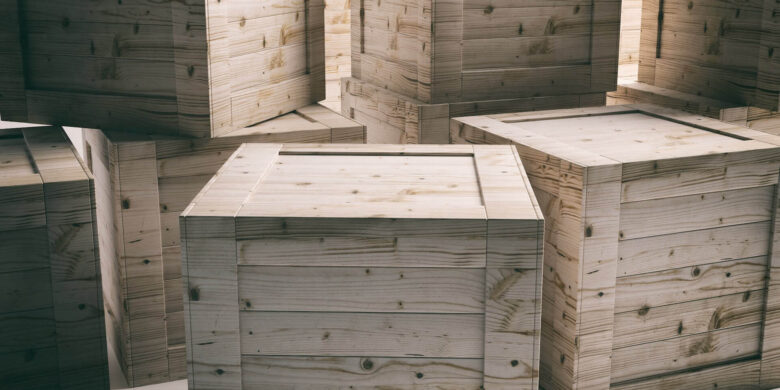
For the ultimate protection, custom-built crates are the way to go. Tailor-made to fit each piece of art, these crates provide a snug environment that minimizes movement and potential damage. When measuring your paintings for custom crating, allow for enough space to include adequate padding and shock-absorbent materials.
Foam inserts and stabilizers add an extra layer of protection, absorbing any impacts during the journey. Schmidt International Relocations offers custom crating services that will address all of your needs. Our solutions will ensure that the collection is safe throughout this journey to its new home.
Enjoy Professional Loading and Unloading Practices
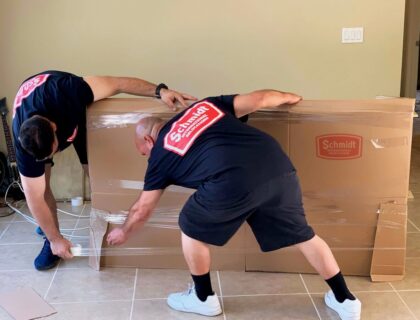
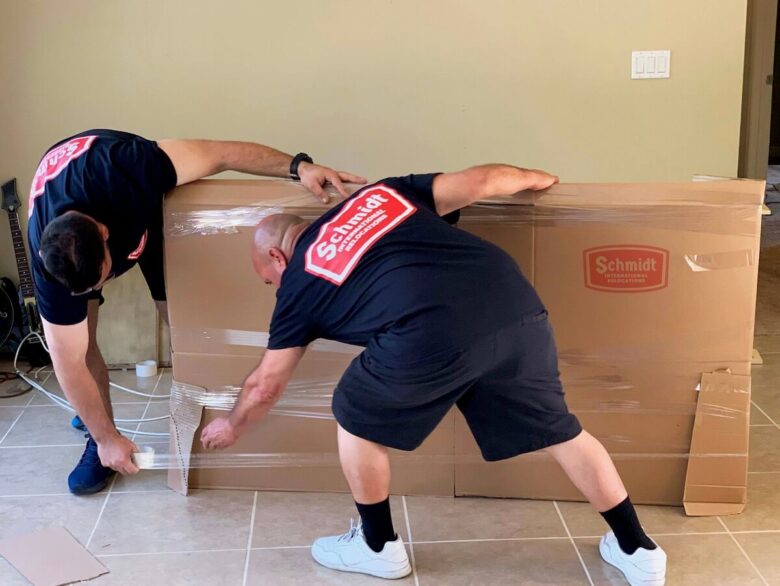
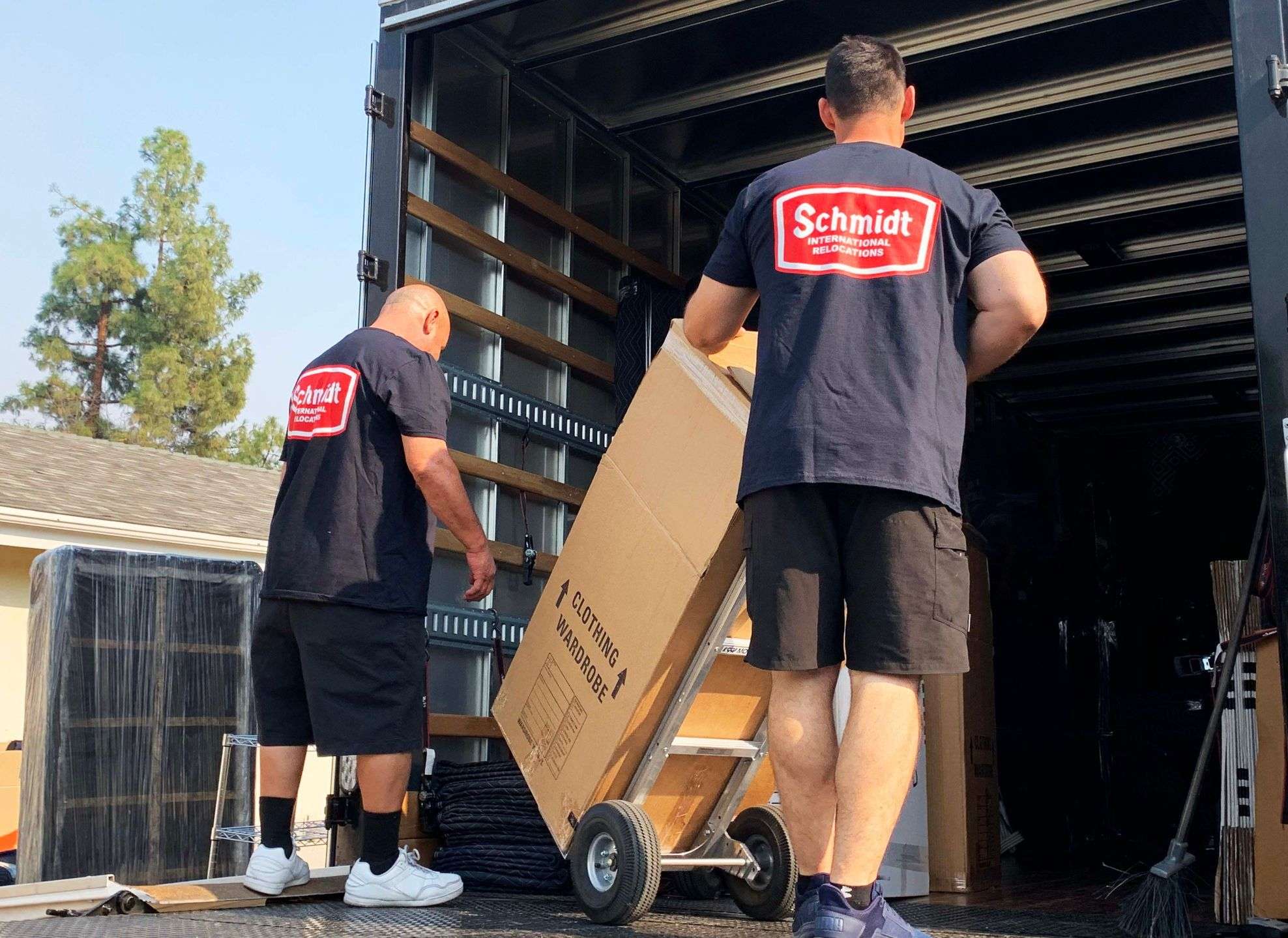
The importance of professional loading and unloading practices cannot be overstated. Choosing a reliable moving company is essential for ensuring that the collection is transported and cared for from start to finish. Schmidt International Relocations brings expertise in handling delicate and fragile items, employing safe art packing techniques that significantly reduce the risk of damage.
We know exactly how to secure goods within the transport container, ensuring stability and protection against vibrations, impacts, and shifts during the journey. The advantage of booking our team lies in the precision, attention to detail, and climate control for artwork transportation. We will ensure each piece is handled with the care it deserves, mitigating relocation stress and anxiety.

Navigate Through Shipping and International Customs for Art
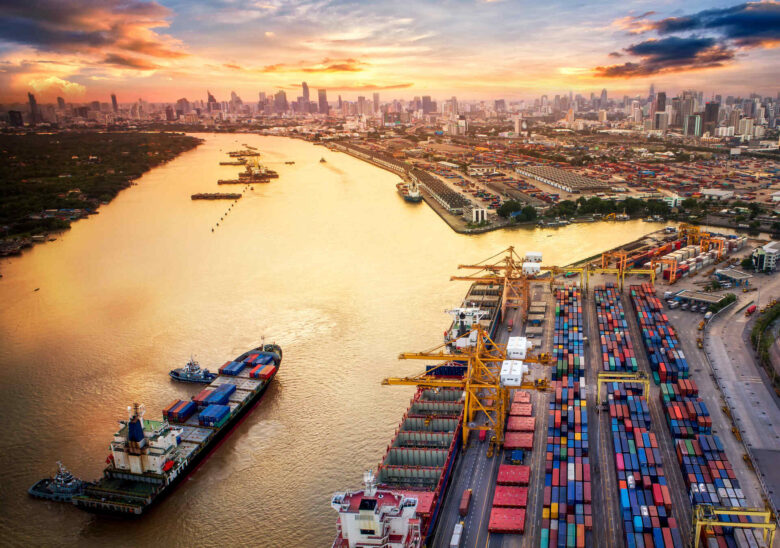
Navigating through shipping and international customs involves critical decisions, particularly in choosing the best means of transportation. Schmidt International Relocations offers air freight transportation. This is a faster, though more expensive, solution, ideal for relocation of essentials and high-value goods. It reduces transit time significantly, minimizing the exposure of artworks to potential environmental and handling risks.
On the other hand, our sea freight transport, while slower, presents a cost-effective option for larger shipments or less time-sensitive pieces. Besides that, our experts are trained to manage the logistics and the intricate paperwork required for customs clearance.
We’ll expertly handle the important documentation and ensure compliance with international laws and regulations. Our team will coordinate the entire process to guarantee that artworks arrive safely and efficiently at their destination.
Post-Move Checks – Inspecting, Unpacking, and Installing Art
After your paintings have reached their international destination, the next critical phase is the post-move checks. This process begins with careful unpacking, taking special care to gradually acclimatize your artwork to its new environment. Changes in humidity and temperature can affect paintings, so it’s important to allow them to adjust slowly to prevent any damage. Unpacking should be done with the same level of care as packing, using gloves to avoid any direct contact that could harm the artwork.
Immediate condition reports are vital once the art is unpacked. Documenting the state of each piece upon arrival helps you identify any transit damage and process any necessary insurance claims promptly. These reports provide a clear comparison against the pre-move condition assessments, ensuring any discrepancies are noted and addressed.

Book Professional Art Handlers for Expert Installation and Conservation Services
For the installation and ongoing conservation of this valuable collection, professional art handlers are indispensable. These specialists possess the knowledge and skills to ensure that your art is displayed safely and correctly. They’ll take into consideration factors like lighting, humidity, and art placement to prevent long-term damage, maintaining their integrity and value for years to come.

Why Trust an International Moving Company With Your Precious Art?
Relying on professional services is essential for numerous reasons. The intricacies and hurdles of transporting art internationally far exceed those encountered in local relocations, encompassing complex logistics, customs laws, and potential language obstacles. Experts in the field offer a wealth of knowledge and experience that dramatically diminishes the stress and hazards linked with this process.
They grasp the complexities of navigating legal documents and choosing the most secure and efficient shipping pathways. By entrusting your possessions to these professionals, you guarantee that everything is managed with the utmost care and skill. You significantly lower the risk of damage or loss while in transit.
The Benefits of International Packing and Artwork Relocation Services
The reassurance and security that accompany the decision to hand over your precious collection to seasoned movers cannot be overstated. Schmidt International Relocations offers professional packing services. Our team brings expertise, high-quality supplies, and tools to the table, ensuring your possessions are boxed up, handled, and transported safely across borders.

Book a Comprehensive Insurance for International Moves
The significance of securing robust art transportation insurance is paramount. Schmidt International Relocations understands this necessity, providing mandatory liability coverage at no extra cost, which covers up to 60 cents per pound of damaged goods. This is included in the initial quote to ensure some level of protection right from the start.
For those with delicate collections, our full coverage insurance option offers extensive protection. We will ensure that in the unfortunate event of damage, you are fully compensated for items worth, or its being repaired or replaced as needed. This comprehensive coverage is designed to safeguard the valuable art through every step of this process, offering you complete confidence in the safety and security of your collection.
Moving Abroad Is Easy With the Right Company to Guide Your Way
Moving delicate and valuable collections across borders can be traumatic and taxing, yet with expert assistance – it can transform into a seamless process. Schmidt International Relocations possesses the expertise and resources to turn this challenging task into an effortless experience. Our professionals are trained and equipped to protect these belongings, guaranteeing they reach you in pristine condition. Reach out to us, and let us handle the heavy lifting for you.
FAQ
What Is the Best Way to Pack Paintings for International Relocation?
The best way to pack paintings for international relocation is to use acid-free paper, corner protectors, bubble wrap, and a sturdy art shipping crate designed for fragile items. Wrap each painting carefully to prevent scratches and moisture exposure. Use cardboard or foam board to protect the surface and frame. Fill empty spaces inside crates with soft padding. Always label the crate “Fragile – Fine Art” on all sides. Proper professional-grade materials ensure your artwork arrives safely across borders.
Should I Use Professional Art Packers When Moving Paintings Overseas?
Yes, you should use professional art packers for moving paintings overseas because they have the right materials, tools, and experience to handle fine art safely. Professionals understand temperature control, customs paperwork, and international shipping standards. They create custom crates for different painting sizes. Using experts minimizes the risk of damage during long transit. Many also provide insurance and tracking options. Professional handling gives peace of mind for valuable or sentimental pieces.
What Packing Materials Should I Use to Protect Paintings for an International Move?
When moving paintings internationally, use acid-free paper, bubble wrap, foam corners, and wooden crates for maximum protection. Avoid plastic wrap directly on artwork, as it can trap moisture. Layer soft materials to cushion pressure points. Use reinforced cardboard or plywood on the outer edges for structure. Fill gaps in crates to prevent shifting during air or sea transport. Quality materials are essential to maintain your art’s integrity during the move.
How Can I Prevent Paintings From Being Damaged by Moisture During Overseas Shipping?
To prevent moisture damage during international shipping, wrap paintings in acid-free paper and use silica gel packets or desiccants inside the crate. Moisture is a major risk when shipping artwork across humid climates or via sea freight. Seal crates tightly but allow minimal airflow to avoid condensation. Avoid storing paintings in plastic without ventilation. Consider climate-controlled shipping for valuable pieces. Moisture control ensures your art’s colors and materials remain unaffected during the journey.
Should I Remove Paintings From Their Frames Before an International Move?
You should only remove paintings from frames if the frames are delicate or large, but for most moves, professional movers prefer keeping them framed for protection. Framed artwork is easier to stabilize and stack safely. If you do remove them, store frames separately with padding and label them clearly. Never roll canvas paintings unless advised by a conservator. Keeping the artwork framed and flat provides better support during transit. Always follow professional advice for valuable art.
How Should I Label and Document My Artwork for an International Relocation?
You should label each artwork with your name, destination address, and a brief description while keeping a detailed inventory list with photos and values. Documentation is vital for customs clearance and insurance claims. Use waterproof labels that won’t fade during transport. Keep copies of condition reports before packing. Include invoices or certificates of authenticity if needed. Organized labeling helps movers and customs officials handle your art correctly and efficiently.
What Type of Crate Should I Use to Ship Paintings Internationally?
The safest crate for international art shipping is a custom-built wooden crate lined with foam or vibration-dampening material. These crates are designed to absorb shocks and resist humidity changes. Each painting should fit snugly without pressure on the canvas or frame. Avoid oversized crates that allow movement. Double-crating may be recommended for extremely valuable works. Quality crating protects against the rigors of international transport and fluctuating environments.
Is It Safe to Ship Paintings by Sea Freight or Should I Choose Air Freight?
Air freight is generally safer for shipping paintings internationally because it offers faster transit times and less exposure to humidity, though it’s more expensive.To prepare paintings for customs clearance during an international move, you must document ownership, value, and authenticity clearly before shipping. Each country has different import and export rules for artworks. Provide invoices, certificates, or personal declarations for customs authorities. Work with movers experienced in art shipments to avoid delays. Clearly list each item on your packing inventory. Proper documentation and transparency simplify the customs process and prevent costly hold-ups. Sea freight is suitable for large or bulk shipments if you use climate-controlled containers. Discuss shipping conditions with your moving company or art shipper. Always ensure the crate is moisture-sealed if shipping by sea. Balancing cost and protection helps determine the right shipping method. Art security should always take priority over speed or savings.
Do I Need Insurance for Paintings When Moving Internationally?
Yes, you should always purchase fine art insurance when moving paintings internationally to cover loss or damage during transport. Even with perfect packing, unforeseen issues like temperature changes or handling accidents can occur. Choose insurance that covers full replacement value, not just basic carrier liability. Provide documentation, photos, and appraisals to support your coverage. Reputable movers offer specialized art insurance plans. This safeguard ensures financial and emotional protection for your collection.
How Can I Prepare Paintings for Customs Clearance When Moving Abroad?
To prepare paintings for customs clearance during an international move, you must document ownership, value, and authenticity clearly before shipping. Each country has different import and export rules for artworks. Provide invoices, certificates, or personal declarations for customs authorities. Work with movers experienced in art shipments to avoid delays. Clearly list each item on your packing inventory. Proper documentation and transparency simplify the customs process and prevent costly hold-ups.