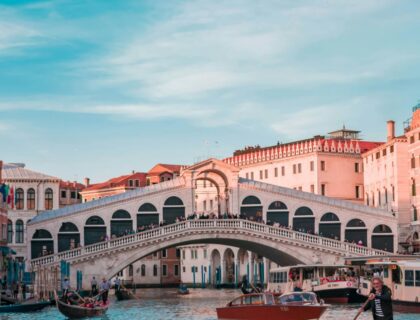

Moving to Portugal is not only exciting but full of benefits! Did you know Portugal ranks as one of the sunniest countries in Europe, with over 300 days of sunshine a year? Whether you’re relocating for work or seeking a laid-back lifestyle, this checklist will help you navigate every step – from visas to finding your dream home.
Sort Out Your Visa When Moving to Portugal From the USA
Whether you’re a remote worker, retiree, or student, getting your residency visa is the first big step when you decide to move across the world. To legally move to Portugal, you’ll need to apply for a visa at least 3-6 months before your planned relocation. There are several types, including work, retirement, and digital nomad visas.
You’ll need to provide proof of income, health insurance, and a clean criminal record. Nearly 10,000 Americans made Portugal their permanent home between 2017 and 2022, a 239% rise. The number has steadily grown as more people seek Portugal’s affordable lifestyle and sunny weather. While many nationalities can visit Portugal for up to 90 days without a visa, staying longer requires a specific type of visa. Most people opt for a residency visa, with popular categories being for work or study.
Other options include the Golden Visa, an investment-based visa (often granted for purchasing property worth $545,000 or €500,000), a Retirement Visa, or a temporary stay visa, which allows for stays between 3 to 12 months. Each visa type has different requirements based on your circumstances and plans in Portugal.
Apply for the D8 Visa: A Gateway for Digital Nomads in Portugal
Digital nomads heading to Portugal can apply for the D8 visa, designed specifically for remote workers and freelancers. This visa allows stays ranging from 1 to 5 years, but to qualify, applicants must earn at least four times the Portuguese minimum wage, which currently amounts to around $3,250 (€3,000) per month. This is a great option for those wanting to live abroad and work remotely from a sunny country while meeting specific income requirements.
Lisbon is a popular choice for digital nomads, with around 16,000 remote workers settling in the city last year, according to data from Nomad List and as reported by Politico. This vibrant capital offers excellent work-life balance, making it a top destination for those working remotely.

Book Professional International Movers on Time
If you’re wondering how to move to Portugal efficiently, then you need professional help. Hiring a reliable international moving company is crucial for a smooth relocation. Experienced movers ensure your belongings are safely packed, transported, and delivered to your new home, minimizing the stress of moving overseas.
Booking early is essential, especially during peak seasons in summer, as reputable movers often get booked up quickly. This also gives you time to coordinate details, plan for any special items, and secure the best rates. Timely planning guarantees that your relocation goes off without a hitch!


Choose Comprehensive Moving Services for a Smooth Relocation
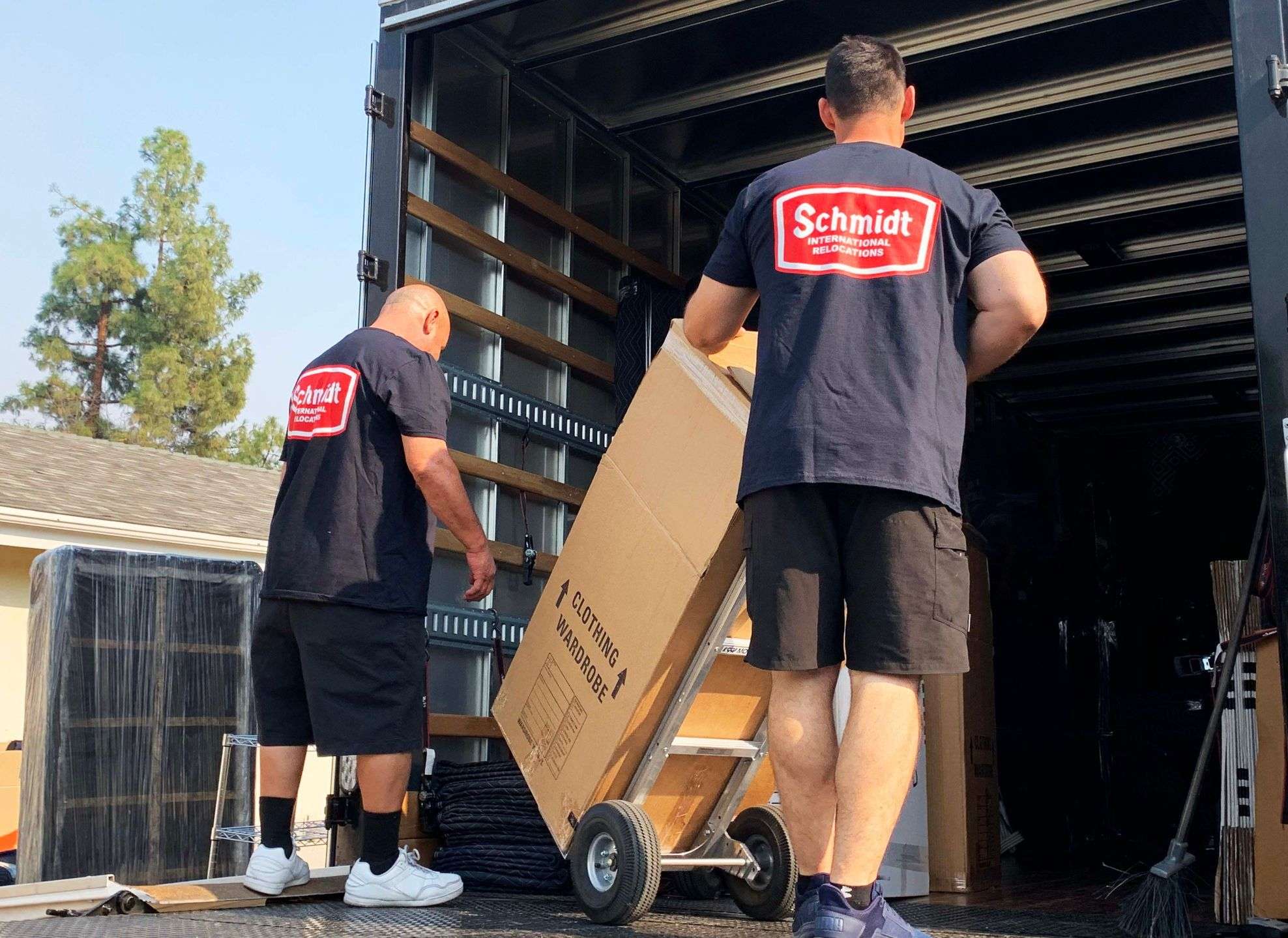
To ensure your relocation is as stress-free as possible, you’ll want to choose international moving services that cover every aspect of the process. Start with professional packing services to ensure your belongings are secured for international travel, especially fragile or high-value items.
Storage solutions can also be helpful if there’s a delay in accessing your new home. With Schmidt International Relocations, you can use secure storage units completely free for 30 days. And don’t forget the overseas auto transport services. Professional shippers will handle the logistics of shipping your vehicle to another country, ensuring it arrives safely and on time.

Find a Dream Home You’ll Live In
Portugal is known as one of the friendliest countries in the world. Not only that, but it also offers a variety of housing options, especially in its larger cities like Lisbon, Porto, and Faro. Still, you’ll have to decide where to live. Lisbon is known for its vibrant city life and modern apartments, while Porto offers a more laid-back lifestyle with beautiful historic homes. If you’re drawn to the sunny Algarve, Faro provides beachside properties perfect for relaxation. Just make sure to start your search early to secure the best options for your budget and preferences.

Pros and Cons of Living in Smaller Towns
While larger cities like Lisbon offer endless amenities and a lively atmosphere, smaller towns, such as Águeda, provide a more relaxed lifestyle and close-knit communities. Deciding between the two depends on your lifestyle preferences, work situation, and need for convenience. Here’s a comparison of Lisbon and Águeda:
| Feature | Lisbon | Águeda |
|---|---|---|
| Population | 500,000+ | Around 14,000 |
| Cost of Living | Higher, with rent $1,300 (€1,200) | Lower, $1,000 (€1,100) |
| Job Market | Thriving, especially in tech | Limited, mostly local |
| Lifestyle | Fast-paced, urban | Quiet, small-town atmosphere |
| Transport | Extensive public transport | Bigger reliance on cars |
Land a Job Before or After You Settle In
Finding a job is a key step for many Americans moving abroad. Start by exploring job boards such as LinkedIn, Indeed, and Glassdoor, which list positions tailored for English speakers. Remote work is also an option in this digital age. Some of the most popular jobs for Americans offer great opportunities, especially in major cities like Lisbon and Porto. Here are the industries you should check out when relocating to Portugal:
- Digital Marketing Specialist,
- IT and Software Development,
- Customer Support,
- Teaching English,
- Hospitality and Tourism.
Learn the Basics of Portuguese – Even a Little Effort Goes a Long Way
While it’s possible to get by with English, especially in tourist areas, learning some Portuguese will make your life a lot easier and more immersive. Start with basic phrases for day-to-day activities like shopping and ordering food. Locals will appreciate the effort, and it’ll help you navigate the quieter, less touristy areas. Apps like Duolingo and language courses can be great resources. Even learning a little Portuguese will go a long way in helping you feel at home.

Can You Move Without Knowing the Language?
Moving internationally to Portugal without knowing Portuguese is a common situation. While some might find it difficult, it’s not impossible to manage. Most Portuguese people, especially in Lisbon and Porto, speak English fluently, thanks to early exposure and subtitled media.
French is also widely spoken, being the second most-learned language in the country after English. Therefore, in larger cities, you can easily get by without speaking Portuguese, as many locals will understand and communicate with you in English or French. Either way, if you want to avoid the possible culture shock, make sure to learn the basics.

Handle Healthcare – Sign up for Portugal’s Public Health System (SNS)
One of the great things you’ll come across here is the public healthcare system. In fact, this country offers a public healthcare system known as the Serviço Nacional de Saúde (SNS), which is funded by taxes and provides affordable services to residents. Unlike in the US, where healthcare is largely privatized and expensive, the SNS allows residents and expatriates to access medical care at a fraction of the cost.
The country’s healthcare system ranks 12th globally according to the World Health Organization (WHO), making it one of the most efficient in Europe. Most of the population relies on the public SNS for medical care, which provides high-quality services at affordable rates.
In contrast to the US, where healthcare is a significant financial burden for many, Portugal’s public system ensures that most services, including doctor visits and hospital care, are accessible to residents at minimal cost. Expats who become residents can benefit from public healthcare, but private health insurance is also a popular option for those who prefer faster access or private facilities. Make sure to register with the SNS once you arrive!

Banking Process in Portugal
To get started with banking in Portugal, you’ll first need to obtain a NIF (Número de Identificação Fiscal), which is essential for most financial transactions. Once you have your NIF, opening a local bank account will help you feel more settled. Portuguese banks like Caixa Geral de Depósitos and Millennium BCP offer a variety of services for expats. Fun fact: Portuguese banks are known for their advanced digital services, with almost 60% of customers using online banking regularly, making it easy to manage your finances remotely.

Check Out Suitable Schools for Your Kids
When relocating with children, it’s important to find the right school that suits your family’s needs. You can choose between public schools, which offer free education in Portuguese, or international schools, which provide English or bilingual curriculums. In larger cities like Lisbon, Porto, and the Algarve, international schools are abundant, catering to expat families. If your children are younger or need a familiar curriculum, these schools may be the best fit. Research both options to determine which aligns with your child’s educational needs.

Register for Residency After Moving to Portugal From the US
Once you’ve arrived in Portugal, one of your first tasks is to head to SEF (Serviço de Estrangeiros e Fronteiras) to officially register for residency in one of the best countries. You’ll need to bring your visa, passport, proof of income, and housing details to complete the process. This step is crucial for accessing healthcare, opening a bank account, and enjoying other resident benefits. Be sure to schedule your appointment early, as slots can fill up quickly, especially in larger cities like Lisbon and Porto.

Relocate With the Best International Portugal Movers
Relocating to another country can be a smooth and exciting experience when you’re well-prepared. From sorting out visas to finding the perfect home and school, this checklist ensures you have everything covered. And when it comes to the logistics of your move, don’t leave anything to chance.
A reliable international Portugal moving company like Schmidt International Relocations can handle every step of your relocation, making your transition to Portugal hassle-free. Contact us today to make your move seamless and stress-free.
Frequently Asked Questions About Moving to Portugal
Do I Need a Visa to Move to Portugal From the US?
Yes, US citizens need a visa if they plan to live in Portugal for more than 90 days, typically applying for a residence visa before entry. Short visits for tourism or business don’t require a visa. For long-term stays, you can choose visas such as the D7 Passive Income Visa, the Digital Nomad Visa, or the Golden Visa. Each requires proof of income, accommodation, and health insurance. After arrival, you’ll apply for a residence permit through SEF (Portugal’s immigration office). Applying early ensures a smoother relocation process.
Is It Easy to Find English-Speaking Schools for My Children in Portugal?
Yes, Portugal offers many English-speaking and international schools, especially in Lisbon, Porto, and the Algarve. These schools follow British, American, or International Baccalaureate (IB) curricula. Admission can be competitive, so apply several months before your move. Tuition fees vary widely depending on location and grade level. Local Portuguese schools are also an option if you want full cultural immersion. International schools make adjustment easier for expat children transitioning from the US or other English-speaking countries.
How Does Healthcare in Portugal Work for Expats?
Healthcare in Portugal for expats combines affordable public care with high-quality private options, making it one of Europe’s most accessible systems. Expats with residence permits can register for Portugal’s National Health Service (SNS). Public healthcare covers general practitioners, emergency care, and specialist visits at low costs. Private insurance offers faster access and English-speaking doctors. EU residents can use their EHIC card, while non-EU expats must show proof of insurance for visa approval. Many expats find Portugal’s healthcare efficient, modern, and cost-effective.
What Are the Best Cities in Portugal for Expats to Live In?
The best cities for expats in Portugal are Lisbon, Porto, Cascais, and the Algarve region, depending on your lifestyle and budget. Lisbon offers cosmopolitan living and job opportunities. Porto combines culture with a lower cost of living. Cascais is family-friendly and coastal, while the Algarve appeals to retirees with sunshine and affordability. Coimbra and Braga are excellent smaller cities for peaceful living. Each destination offers a unique blend of Portuguese charm and modern comfort.
How Can I Find Housing or Apartments in Portugal Before Moving?
The best way to find housing in Portugal before moving is to search online listings, work with local agents, or book short-term rentals while you explore neighborhoods. Popular sites include Idealista, OLX, and Imovirtual. Many landlords expect proof of income or a Portuguese tax number (NIF). Temporary housing is ideal for your first few weeks. Once settled, you can sign a long-term lease. Visiting in person helps ensure you choose a safe and well-located home.
Do I Need to Learn Portuguese Before Moving to Portugal?
You don’t need to be fluent in Portuguese before moving, but learning basic phrases makes daily life and bureaucracy much easier. English is widely spoken in major cities and tourist areas. However, smaller towns and government offices operate mainly in Portuguese. Taking language lessons helps with integration and building friendships. Apps and community classes can speed up learning. Even basic communication efforts are highly appreciated by locals.
What Documents Should I Prepare for My Move to Portugal?
When moving to Portugal, you should prepare key documents like your passport, visa, proof of income, health insurance, and criminal background check. For residence permits, you’ll also need a Portuguese tax number (NIF) and proof of housing. Keep multiple copies of all papers, both digital and printed. Organizing documents early prevents delays with visa or customs processes. Translation and notarization may be required for some forms. Having paperwork ready ensures a smooth relocation experience.
What Is the Process for Setting Up in Portugal After Moving?
After moving to Portugal, register your address, get your NIF, and apply for a residence permit to complete your move legally. Visit SEF (immigration office) to finalize your residence card. Open a local bank account and register for healthcare at the nearest health center. If you’re staying long-term, also enroll in social security and local utilities. Joining expat networks can help you adapt faster. Completing these first steps sets you up for a stable and comfortable life in Portugal.
How Should I Prepare Financially and Logistically for Moving to Portugal?
When moving to Portugal, you should prepare by organizing your finances, visa documents, and relocation logistics several months in advance to ensure a smooth transition. Create a moving plan that includes visa timelines, housing research, and international shipping arrangements. Notify your bank and insurance providers about your move abroad. Consider setting up a local Portuguese bank account after arrival for everyday transactions. Also, research healthcare registration and tax ID (NIF) requirements early. Careful financial and logistical preparation helps your move to Portugal stay organized and stress-free.
How Can I Safely Move My Belongings to Portugal From Abroad?
You can safely move your belongings to Portugal by using professional international movers who handle packing, shipping, and customs clearance for household goods. Movers can help you choose between air or sea freight depending on timing and volume. Create a detailed inventory list for customs and label boxes clearly for easier inspection. It’s best to pack fragile or valuable items separately using professional materials. Portugal allows duty-free import of used personal goods for residents relocating long-term. Partnering with a reputable mover ensures your belongings arrive securely and on schedule.