

Every month, the same quiet erosion: inflation chips away at your savings, property taxes climb a little higher, and healthcare bills arrive with numbers that make you hold your breath. If this sounds painfully familiar, know that you are not alone — and know that there is a way out.
Picture waking up to golden Mediterranean light, stepping onto your balcony, and breathing in salt air while a fresh café con leche waits at the corner cafe downstairs. For people in retirement moving from America, this is no longer a wish pinned to a fridge — it is a deliberate, well-researched decision that thousands of retirees are making right now.
The math is simple: in many parts of Europe, your pension buys you more — more comfort, more freedom, more life. But making the leap from dreaming to actually living abroad takes real preparation, honest information, and a moving partner who understands that this is not just a shipment — it is your entire life crossing an ocean.
That is exactly where this guide and Schmidt Movers come in. From coastal Spain to the historic heart of Portugal, we will walk you through everything: why this wave is growing, what the transition truly involves, and how to make your European chapter begin without a single unnecessary headache.
Why Are American Retirees Choosing Europe in 2026?
Out of every destination in the world, why is Europe leading the charge right now? In 2026, the answer comes down to an irresistible trifecta: superior healthcare, unparalleled safety, and a genuine upgrade in daily quality of life.
World-Class Healthcare Without the Financial Anxiety
Let’s address the elephant in the room. Many retirees hesitate to leave the US medical system behind. But here’s the reality: European healthcare is globally renowned for being both exceptional and affordable. In countries like Spain and Portugal, comprehensive private health insurance often costs less per month than a single specialist visit back home. You gain access to world-class facilities and shorter wait times—without the looming threat of medical bankruptcy.
Safety and Peace of Mind
European nations consistently rank among the safest countries on the planet. Violent crime rates are dramatically lower than in the United States, which means you can take evening strolls, explore unfamiliar neighborhoods, and live your daily life with a sense of calm that many American retirees have simply forgotten is possible.
A Culture Built Around Living, Not Rushing
European culture places enormous emphasis on community, leisure, and savoring the present moment. Instead of the high-stress, car-dependent routines many Americans are accustomed to, Europe offers an opportunity to slow down, breathe, and genuinely enjoy every day of the retirement you’ve earned.
How Far Does Your Dollar Stretch? A Cost-of-Living Comparison
Understanding your finances is the single most important step in planning a transatlantic move. While northern European countries like Norway or Switzerland carry a hefty price tag, the most popular retirement hubs in southern and central Europe offer remarkable value. Your fixed income simply goes further here.
Here is a side-by-side comparison of average monthly costs in the US versus two of the most sought-after European retirement destinations:
Average Monthly Cost of Living: USA vs. Top European Retirement Havens (2026 Estimates)
| Expense Category | United States (Avg.) | Spain (Alicante) | Portugal (The Algarve) |
|---|---|---|---|
| Rent (1-Bed Apartment) | $1,500 – $2,500 | $800 – $1,100 | $900 – $1,300 |
| Groceries (Per Person) | $350 – $500 | $200 – $300 | $250 – $350 |
| Dining Out (Meal for Two) | $75 – $120 | $40 – $60 | $45 – $65 |
| Private Healthcare (Monthly) | $500+ | $100 – $200 | $80 – $150 |
| Public Transport (Monthly) | $70 – $130 | $35 – $50 | $40 – $60 |
Everyday Expenses: Where You’ll Notice the Biggest Savings
The moment you settle into your new European home, you will feel the difference in your daily spending. Here is where that difference is most noticeable:
- Groceries: European markets are celebrated for fresh, locally sourced produce, meats, and cheeses. Because food travels shorter distances to reach the shelf, you can fill a grocery cart with high-quality, unprocessed ingredients for up to 50% less than you’d pay at an American supermarket.
- Dining Out: Eating at a local restaurant is a standard part of European daily life—not a weekend luxury. A delicious three-course “menu of the day” with a glass of local wine often costs less than a basic fast-casual meal in the States.
- Utilities: High-speed fiber internet, water, and mobile phone plans are notably cheaper and highly reliable across Europe—often running just $30 to $50 a month combined.


The European Housing Market: Renting vs. Buying
Whether you want to test the waters with a rental or purchase your forever home, popular European destinations are remarkably accommodating for American expats.
Renting First—The Smart Move
In stunning coastal cities, you can find modern apartments with sea views for a fraction of what you’d pay in Florida or California. Renting for your first year is widely recommended—it gives you time to explore different neighborhoods, learn the local rhythm, and decide where you truly want to put down roots. Many European rentals come fully furnished, which takes enormous pressure off your international move. And thanks to strong tenant protection laws, you won’t face the sudden, dramatic rent hikes that have become all too common in the US.
Buying—Incredible Opportunities Await
If you choose to purchase property, the opportunities are genuinely exciting. In many rural and semi-rural areas of France, Italy, and Spain, charming historic homes can be bought for under $150,000. Modern city condos offer fantastic amenities—often without the exorbitant HOA fees typical of American retirement communities. Property taxes are also significantly lower, which drastically reduces your annual carrying costs.
One important note: factor in the cost of a local Notary—a highly respected legal official in Europe who handles the title transfer and ensures your property transaction is fully secure and legally binding.
Staying Active: Income, Freelancing, and the European Economy
Modern retirement doesn’t always mean full stop. Many retirees want to stay active—consulting, running small online businesses, or finally pursuing passion projects. Europe’s economic landscape is surprisingly welcoming for older expats who bring their own income.
- Digital Nomad and Retirement Visas: Many European countries now offer visa categories that require proof of passive income (pension, Social Security, or 401k distributions) rather than local employment.
- Freelancing from Europe: While most retirement visas prohibit local employment to protect the domestic workforce, consulting online for US companies or running a freelance business is perfectly viable—thanks to Europe’s robust, high-speed fiber-optic internet, available even in small historic villages.
- Tax Incentives: Countries like Italy and Greece offer special flat-tax programs specifically designed to attract foreign retirees, leaving you with even more disposable income to travel, dine, and truly enjoy your new life.
Local economies in popular expat destinations are stable, and favorable exchange rates mean your US dollar retains strong purchasing power.

Best European Cities for American Retirees in 2026
Choosing the right city is everything. You want excellent weather, a welcoming expat community, easy access to healthcare, and top-notch amenities. Here are the standout picks:
Alicante, Spain
Nestled along the stunning Costa Blanca, Alicante delivers over 300 days of sunshine a year. It is known for its thriving expat community, gorgeous sandy beaches, and one of the lowest costs of living in Western Europe. A well-connected local airport makes trips back to the US for family visits easy and affordable.
The Algarve, Portugal
Frequently ranked as the number one retirement destination in the world, Portugal’s Algarve region offers world-class golf courses, dramatic ocean cliffs, widespread English proficiency, and an exceptional sense of safety.
Bordeaux, France
For those drawn to world-class wine, rich history, and sophisticated culinary scenes, Bordeaux is the answer. It offers a refined lifestyle, a temperate climate, and access to France’s legendary national healthcare system.
Valletta, Malta
If you want an English-speaking country right in the heart of the Mediterranean, Malta is hard to beat. Rich in history, bathed in year-round sunshine, and offering fantastic tax incentives specifically tailored for foreign retirees.
What Does Daily Life Actually Look Like?
Living in these cities represents a beautiful departure from American suburban sprawl. Life happens outdoors. You will find yourself walking to the local market each morning for fresh bread, chatting with neighbors at a corner cafe, and savoring long, leisurely dinners that stretch well into the evening.
Public transportation—trains, trams, and buses—is highly developed and remarkably affordable. You rarely need to worry about the stress of daily driving in heavy traffic. Communities are close-knit, and the focus shifts from the hustle of working to the joy of living.
The Transatlantic Lifestyle Shift: What Actually Changes?
Culture shock is real—but for retirees, it is almost always a welcome one. Here is a clear breakdown of how daily life transforms when you make the leap:
American Norms vs. European Reality
| Aspect of Life | The American Norm | Your New European Reality |
|---|---|---|
| Pace of Life | Hustle culture, rushed meals, fast-paced service. | A slower, relaxed rhythm. Extended lunches, afternoon siestas, and lingering at sidewalk cafes. |
| Walkability | Car-dependent suburbs where you drive everywhere. | Compact, walkable cities. You get daily exercise without setting foot in a gym. |
| Social Connections | Potential isolation in spread-out, gated communities. | Deeply community-oriented. Expat clubs, language groups, and genuinely welcoming locals. |
| Healthcare | High out-of-pocket costs, complex deductibles, and Medicare red tape. | Affordable, comprehensive national or private health insurance with minimal bureaucracy. |
| Taxes | Standard IRS filing plus steep property taxes. | You still file US taxes, but international treaties prevent double taxation. |
| Language | English is the default everywhere. | English is common in expat hubs, but learning a few local phrases earns you tremendous goodwill. |
Embracing these changes is part of the adventure. While navigating unfamiliar tax rules or transitioning out of Medicare might seem daunting initially, the payoff is a significantly healthier, more relaxed, and culturally rich retirement. And rest assured—there are established networks of fellow Americans who have already made the leap and are eager to help newcomers find their footing.
What You Need to Know Before Moving to Europe
Moving to Europe is not as simple as packing a suitcase and booking a one-way ticket. It requires strategic planning and patience with foreign bureaucracies. Here are the essentials:
- Visas and Residency: You cannot stay in Europe indefinitely on a tourist visa—the Schengen zone limits tourists to 90 days. You will need to apply for a long-stay visa or residency permit from the consulate of your chosen country before you leave the US.
- Downsizing Is Key: European homes are generally more compact than American houses. Closets are smaller, and storage space is limited. Treat this move as the perfect opportunity to declutter and bring only what you truly love and need.
Patience with Bureaucracy: European paperwork can move slowly. Go in expecting delays, and keep physical copies of every important document.

How Your Starting Point Affects the Move
Where you live in the US has a real impact on your shipping timeframes and overall costs. If you are leaving from the East Coast—New York, New Jersey, or Florida—transit times across the Atlantic are generally shorter and more affordable. Relocating from the West Coast or the Midwest? Your belongings will need to travel across the country first, either by rail or truck to an East Coast port, or by ship through the Panama Canal.
Regardless of where your American home is located, Schmidt Movers has the nationwide network to pick up your belongings from any address in all 50 states and safely route them to your new European doorstep.
The Most Popular Shipping Routes
Over years of experience, Schmidt Movers has fine-tuned the logistics for the routes American retirees use most:
- New York to Rotterdam (Netherlands) or Antwerp (Belgium): The gateway to Northern and Western Europe. From these mega-ports, goods are efficiently trucked into France, Germany, and beyond.
- Miami to Valencia or Barcelona (Spain): The most direct route for those moving to Spain’s sunny coasts or southern France.
- Los Angeles to Lisbon (Portugal): An increasingly popular route, driven by the wave of West Coast retirees seeking Portugal’s affordability and safety.
Knowing these routes intimately allows us to consolidate shipments, navigate port authorities efficiently, and pass the savings directly on to you.
Packing Services and Add-Ons for Total Peace of Mind
An international move demands a completely different level of packing compared to a local relocation.

Your belongings will be loaded into a metal shipping container, hoisted by cranes onto a cargo vessel, and subjected to ocean transit for weeks. Here is how Schmidt Movers protects every item:
- Full-Service Export Packing: Our trained crews arrive with international-grade packing materials, wrapping every piece of furniture in protective padding and meticulously boxing fragile items to withstand the rigors of ocean transit.
- Custom Crating: Grandfather clocks, fine art, pianos, antique mirrors—we build bespoke wooden crates tailored to the exact dimensions of your high-value items, ensuring zero movement during transit.
- Disassembly and Reassembly: We take apart your large furniture in the US and put it back together exactly where you want it in your new European home.
- Secure Storage Solutions: If your visa is delayed or your new home isn’t quite ready, we offer climate-controlled storage facilities both in the US and at your destination port.
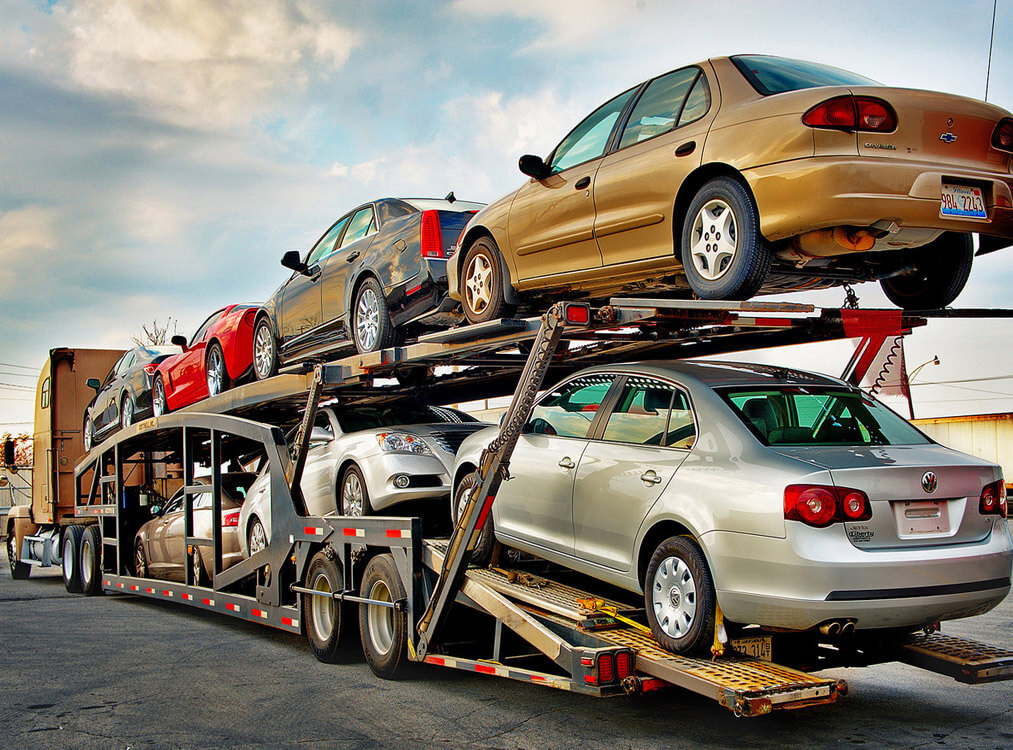
Car Shipping to Europe: Should You Bring Your Vehicle?
While Europe’s public transportation is excellent, having your own vehicle gives you the freedom to explore the countryside, shop on your own schedule, and travel at your own pace—especially if you’re retiring to a charming village in Tuscany or the Provençal countryside.
Schmidt Movers makes car shipping straightforward:
- Roll-On/Roll-Off (RoRo): A cost-effective option where your car is driven onto a specialized, enclosed ship and secured below deck.
- Container Shipping: Maximum security—your vehicle is loaded into a private container. You can even pack personal belongings in the trunk and backseat.
- Customs and Modifications Guidance: We walk you through import taxes, emission standards, and any vehicle modifications needed for local inspections. Many countries—including Portugal and Spain—allow retirees to import one personal vehicle tax-free within the first six months of residency.
Ready to Start Your European Chapter?
Relocating across the world is a monumental step—but it absolutely does not have to be a stressful one. By choosing Schmidt Movers, you are partnering with seasoned international experts who understand exactly what people in retirement moving from America need for a safe, smooth, and genuinely successful transition.
You have worked hard your entire life. You deserve a retirement filled with beautiful sights, extraordinary food, and zero stress. Don’t let the logistics of an international move hold you back from the lifestyle you’ve earned.
Take the first step today. Reach out to Schmidt Movers for your personalized, free quote on long-distance moving and car shipping to Europe. Let us carry the load so you can focus entirely on the incredible journey ahead.
FAQ
Can I collect my US Social Security in Europe?
Absolutely. The US government allows you to receive Social Security payments in virtually every European country. You can have funds deposited into a foreign bank account or keep a US account and use a low-fee international transfer service.
Is my American driver’s license valid in Europe?
For the first 6 to 12 months, yes—most European countries accept your US license alongside an International Driving Permit (easily obtained through AAA before departure). After that grace period, you will likely need to pass a local driving test.
How long does shipping my belongings take?
Ocean freight from the US to Europe typically takes 4 to 8 weeks, depending on whether you’re shipping from the East or West Coast, the destination port, and customs clearance timelines.
Will my electronics work in Europe?
Europe uses a 230V electrical system compared to the US 120V. Most modern electronics—laptops, smartphones, tablets, and newer TVs—are dual-voltage and only need a simple plug adapter. However, high-wattage appliances with motors or heating elements (blenders, hair dryers, toasters) will not work without a heavy-duty step-down transformer. It is generally best to leave small appliances behind and buy replacements locally.
How much does an international move to Europe cost?
Costs vary based on the volume of your belongings, the services you require, and your specific locations. Prices generally range from $5,000 for a partial container (LCL) up to $15,000+ for an exclusive 40-foot container (FCL) with full-service packing. Contact Schmidt Movers for a personalized, obligation-free quote.