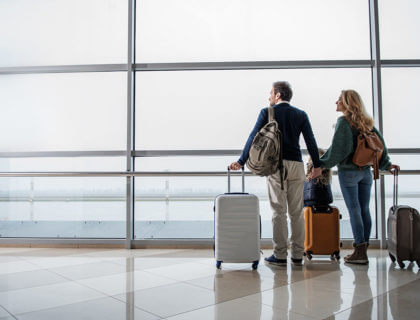

Moving internationally can be an exciting adventure, full of new opportunities and experiences. However, for many people, it can also be a time of overwhelming stress and loneliness, leading to feelings of anxiety and depression after moving. This phenomenon, known as “Moving Blues,” is a common experience – adjusting to a new culture, language, and environment can be challenging, but there are strategies you can use to ease the transition and maintain your mental health.
Understanding Depression After Moving
Relocation depression, also known as “culture shock depression,” can occur after moving abroad and facing a new culture. It is a natural reaction to the stress and emotional upheaval of adapting to a new environment. Relocating is a significant life change, and it can be challenging to leave behind the familiar people, places, and routines that provide comfort and support.
It can be caused by a variety of factors, such as language barriers, cultural differences, social isolation, and homesickness. It can manifest in many ways, including feeling anxious, sad, unmotivated, and disinterested in the activities you used to enjoy.
Common Relocation Depression Symptoms
Relocation depression can present in different ways and can vary in severity depending on the individual. However, some common symptoms can help you identify whether you or someone you know may be experiencing it. One of the primary symptoms is a persistent feeling of sadness, emptiness, or hopelessness. You may also experience anxiety, irritability, and mood swings.
Another symptom is feeling homesick or missing the familiar surroundings, people, and activities you used to enjoy. You may have difficulty sleeping, either sleeping too much or too little. You may feel unmotivated, have difficulty concentrating, and experience a loss of interest in activities that you typically find enjoyable.
Physical symptoms such as headaches, stomach aches, and fatigue can also accompany this common condition. It is important to note that experiencing these symptoms does not necessarily mean you have relocation depression, but they are indicators that you should seek help if they persist. Watch this video if you want to hear about people who have had similar experiences.

Coping Strategies for Post-Moving Depression
Relocation depression can be a challenging condition to manage, but there are strategies you can use to alleviate its symptoms. The following coping strategies can help you navigate the emotional challenges of moving overseas.
Self-Care Practices to Alleviate Depression
Self-care practices are essential in managing depression, regardless of its cause. When dealing with feeling depressed after relocating, taking care of yourself is even more critical. Simple activities such as eating a healthy diet, exercising regularly, and getting enough sleep can make a significant difference in your mood and overall well-being. Practicing mindfulness techniques such as meditation, deep breathing, and yoga can also help alleviate symptoms. It is essential to engage in activities that bring you joy and a sense of purpose, such as pursuing a hobby or volunteering.
Building a Support System in the New Location
Building a support system is crucial when feeling depressed. Try to make new friends by joining local clubs or groups that share your interests. Meetup groups, community centers, and local volunteer organizations are excellent places to start making friends in a new place. Talking to others who have also moved to the same location can be especially helpful since they understand the challenges of adapting to a new culture. Building a network of friends and acquaintances can provide emotional support and a sense of belonging.
Keeping in Touch With Friends and Family Back Home
Staying in touch with family and friends in the home country can help alleviate homesickness and feeling of isolation. Thanks to technology, keeping in touch with the people you love has never been easier. Use video chat, social media, email, and phone calls to stay connected with loved ones. Sharing your experiences with friends and family can help you process the challenges of living in a new culture and adapting to new surroundings.
Getting Involved in the Local Community
Getting involved in the local community can be a great way to meet new people and feel more connected to your new surroundings. Joining a local sports team, attending cultural events, or taking classes in a new skill or language can help you feel more engaged with the local community. Volunteering is another way to feel a sense of purpose and give back to the community.
Seeking Professional Help if Needed
If you are struggling with feeling depressed, seeking professional help may be necessary. A mental health professional can help you develop coping strategies and provide support as you adjust to your new environment. There is no shame in seeking help, and it can be a vital step in maintaining your mental health and well-being. Don’t hesitate to reach out to a therapist or counselor if you are feeling depressed and it’s impacting your daily life.
If you don’t feel strong enough to reach out to someone in person, you can also get some help online by using sites like BetterHelp.
How to Adapt to a New Country and Culture
Living in another country and adapting to a new culture can be difficult for some people, but it is also an opportunity for personal growth and learning. Here are some relocation tips to help you navigate the challenges of culture shock.
Find Activities to Enjoy in the New Location
One of the best ways to adapt to a new country is to find activities that you enjoy. Whether it’s trying local cuisine, attending cultural events, or exploring the natural beauty of the area, finding activities that interest you can help you feel more connected to your new environment.
Tips for Making New Friends
Making new friends can be challenging, especially if you’ve moved away from friends back home, but it is essential to feel connected and supported in your new environment. Be open and approachable, smile, and make eye contact with others. Joining clubs or groups that share your interests is an excellent way to meet new people. Volunteer work is another way to connect with others and show you’re invested in the community.
Don’t be afraid to put yourself out there and initiate conversations with others. Remember that making friends takes time, so be patient and persistent in your efforts.
Overcoming Language Barriers
Language barriers can be a significant challenge when adapting to a new culture. Learning the local language is a great way to overcome this barrier and feel more connected to your new surroundings. Take language classes, practice with local speakers, and use language learning apps to improve your skills. Don’t be afraid to make mistakes and keep practicing. Even if you don’t become fluent, making an effort to learn the language can go a long way in building relationships with locals and feeling more comfortable in your new environment.

Dealing With Moving-Related Stressors
Relocating can be a stressful and overwhelming experience, no matter if you’re relocating across the world or simply to a new neighborhood. The process of packing and unpacking, hiring movers, and setting up utilities can take a toll on your mental health. To manage the stress of relocating, start by creating a plan and breaking down the tasks into manageable steps. Consider hiring a professional organizer or an international moving company to help with the process.
Once you’ve moved in, take time to unpack and set up your new home in a way that feels comfortable and familiar. Take breaks and prioritize self-care, such as exercise, meditation, and spending time in nature.
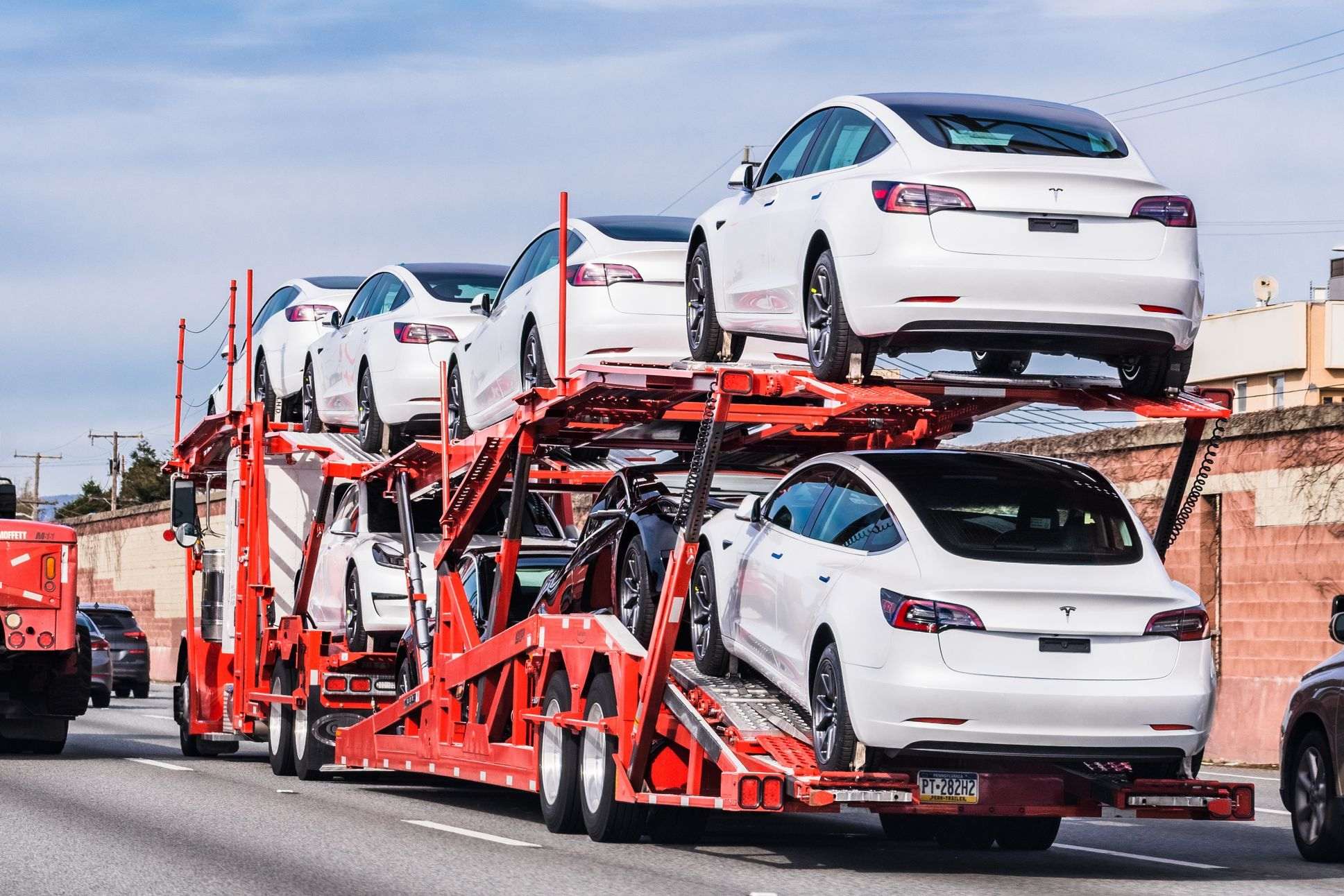

Relocating can be expensive, and financial pressures can add to the stress of the move. To manage the financial pressures of relocation, start by creating a relocation budget and sticking to it. Research the cost of living in your new location and adjust your budget accordingly. Look for ways to save money, such as selling items you no longer need or finding discounts on relocation expenses.
Consider taking out a loan or using a credit card with a low-interest rate to cover expenses if necessary. Prioritize self-care and seek support from friends, family, or a therapist if the financial pressures of relocation are impacting your mental health. Remember that financial stress is temporary, and with time, you will adapt to your new financial situation.
How to Handle Job-Related Stressors in a New Country
Deciding to relocate and live overseas in a new country means navigating a new job market, which can be a significant source of stress. Here are some tips for handling job-related stressors in a new country:
- Research the job market: Before relocating, research the job market to learn about the opportunities and requirements for your industry, unless you’re already relocating for a job or you were lucky enough to get a job before the move. Consider reaching out to recruiters, networking with professionals in your field, and attending career fairs to learn about potential job openings. Knowing what to expect can help alleviate the stress of finding a job.
- Update your resume and cover letter: Tailor your resume and cover letter to the local job market. Highlight your experience and skills that are most relevant to the industry and country you’re applying to. Ensure that these important documents are free of errors and professionally formatted.
- Get familiar with cultural norms: Understanding the cultural norms and expectations of the new work environment is essential. Consider taking cultural sensitivity training or language courses to improve your communication skills with colleagues and employers. Researching local work customs and expectations can also help you feel more prepared and less stressed.
- Build a professional network: Networking can be a powerful tool for finding job opportunities and gaining insights into the local job market. Attend professional events, join industry associations, and connect with professionals on LinkedIn to expand your network.
- Prioritize self-care: Job-related stress can take a toll on your mental and physical health. Prioritize self-care activities, such as exercise, meditation, and spending time with loved ones, to manage stress levels. Engage in activities that bring you joy and help you relax.
- Seek support: If job-related stress becomes overwhelming, seek support from a therapist or counselor. They can provide you with coping strategies and support as you navigate the challenges of a new job market. Additionally, consider joining support groups or finding mentors who have gone through similar experiences to gain additional support and guidance.
Balancing the Demands of Family and Social Life in the New Location
Relocating abroad often means leaving behind familiar social networks and adjusting to a new family dynamic. Balancing the demands of family and social life in a new location can be a challenge, but it’s crucial to prioritize both to maintain a sense of well-being. Here are some tips for finding a balance:
- Create a schedule: Create a schedule that allows time for both family and social activities. Prioritize activities that are important to you and your loved ones, and schedule them in advance to ensure they are not overlooked. Be flexible and willing to adjust the schedule as necessary to accommodate unexpected events or opportunities.
- Involve the whole family: Get the whole family involved in social activities to create shared experiences and build relationships with others in the new community. Consider joining local clubs or groups that align with your family’s interests, volunteering together, or attending cultural events.
- Communicate with family and friends: Communication is crucial to maintaining relationships with family and friends back home. Make an effort to keep in touch regularly through phone calls, video chats, or written correspondence. Share your experiences and listen to their updates to stay connected.
- Connect with other families: Connect with other families in the new location to build social connections and create a sense of community. Join parent groups, playgroups, or other social organizations to meet other families and make new friends.
- Prioritize self-care: Balancing family and social life can be challenging, and it’s essential to prioritize self-care activities to maintain your physical and mental well-being. Take time for yourself to engage in activities that bring you joy and help you relax, such as exercise, meditation, or reading.
- Seek support: If balancing family and social life becomes overwhelming, seek support from a therapist or counselor. They can provide you with coping strategies and support as you navigate the challenges of maintaining relationships in a new location.
To Avoid Moving Depression, Let Schmidt International Relocations Help You With the Process
If you decide to move overseas, you should know that it can be a challenging and overwhelming experience, and the stress and emotional upheaval of the process can sometimes affect your mental health. So, it would be best to hire professional help to take care of everything and minimize your stress levels. For starters, choose a relocation company you can trust and hire moving services by air, or choose to move by sea if that’s what you prefer.
Schmidt International Relocations can help you with anything from packing services and shipping your belongings to storage options. With our help, you can reduce the risk of experiencing relocation depression and have an efficient move. Don’t let the fear of becoming depressed stop you from embarking on a new adventure. Contact us and let Schmidt International Relocations help you have a wonderful move.
FAQ
Is It Normal to Feel Depressed After Moving to a New Country or City?
Yes, it’s completely normal to feel depressed or emotionally low after moving overseas because relocation brings major life changes, uncertainty, and loss of familiarity. Leaving your home, routines, and social network can trigger feelings of sadness and isolation. Many expats experience culture shock and homesickness in the first few months. These emotions are part of adapting to a new environment. Recognizing that this phase is temporary can help you adjust more gently. Support, time, and routine are key to regaining balance.
How Long Does Relocation Depression Typically Last?
Relocation depression after moving to another country usually lasts a few weeks to several months, depending on how quickly you adjust and rebuild connections. The emotional dip often peaks in the first three months. Over time, your surroundings feel more familiar, and the sadness fades. Building new habits, making friends, and exploring your community all help recovery. If low mood persists beyond six months, it may require professional support. Everyone’s emotional timeline is different, so patience is essential.
What Are Some Common Symptoms of Depression After Relocating?
Common symptoms of depression after moving abroad include persistent sadness, fatigue, loss of interest in daily activities, and social withdrawal. You might also experience sleep problems, irritability, or feelings of regret about your move. Physical symptoms like appetite changes or headaches can appear too. These signs often stem from loneliness, culture shock, and adjustment stress. Recognizing them early helps you seek help sooner. Monitoring your mood and energy levels can guide you toward the right coping strategies.
Can Depression After Moving Be Prevented?
While it’s hard to prevent completely, you can reduce the risk of depression after moving overseas by preparing emotionally and socially before the move. Stay connected with loved ones through regular calls and messages. Join expat or hobby groups soon after arrival to avoid isolation. Maintain familiar routines like exercise or cooking favorite meals. Learn basic local language phrases to ease communication stress. Emotional preparation and realistic expectations help you adjust more smoothly and feel less overwhelmed.
What Should I Do if I Am Feeling Depressed After Relocating to a New Location?
If you feel depressed after moving abroad, you should seek support, talk openly about your emotions, and establish comforting daily routines. Reach out to friends, family, or other expats who understand relocation stress. Exercise, proper sleep, and a balanced diet can lift your mood naturally. If feelings worsen, consider talking to a counselor familiar with expat life. Online therapy and local support groups are widely available. Taking action early helps prevent deeper emotional struggles.
Is Relocation Depression a Sign That I Made a Mistake by Moving?
No, being depressed after relocating is a common experience that does not necessarily indicate that you made a mistake by relocating and that you should move back home. It is a natural reaction to the stress and emotional upheaval of adapting to a new environment. Give yourself time to adjust before making big decisions. Emotional turbulence is part of adaptation, not failure.
Can Depression After Moving Be Treated Without Professional Help?
Yes, mild depression after moving can often be managed without professional treatment through lifestyle changes and social engagement. Establishing structure helps your mind feel grounded again. Stay active, eat well, and get sunlight daily to regulate mood. Volunteering, journaling, and exploring your surroundings also reduce loneliness. However, if self-help isn’t enough, professional guidance is beneficial. Knowing when to reach out ensures you recover faster and stay emotionally healthy.
How Can I Tell if My Depression After Moving Is Severe Enough to Require Treatment?
You should seek professional help if depression after moving interferes with daily life, lasts longer than a few months, or includes thoughts of hopelessness or self-harm. Warning signs include chronic fatigue, severe isolation, and loss of motivation. If you can’t enjoy activities that once made you happy, it’s time to reach out. Therapists and counselors experienced with expat adjustment can help identify underlying causes. Early intervention leads to faster recovery. Never ignore ongoing emotional distress.
Are There Any Support Groups or Online Resources for People Dealing With Depression After Moving?
Yes, there are many expat and relocation support groups—both online and local—that help people cope with post-move depression. Websites for expat communities connect you with others facing similar emotions. Some countries also have English-speaking counseling networks. Online therapy platforms offer sessions tailored to international clients. Joining these groups provides understanding, friendship, and reassurance. Shared experiences make the adjustment process feel less lonely.
How Can I Help a Friend or Family Member Who Is Experiencing Depression After Relocating?
To help someone facing depression after an overseas move, offer consistent emotional support, listen without judgment, and encourage social interaction. Simple acts like regular check-ins or video calls can make a big difference. Avoid telling them to “just cheer up”—instead, validate their feelings. Suggest activities or groups to help them connect locally. If their mood worsens, encourage professional help gently. Compassion and patience are vital for helping loved ones navigate relocation-related depression.