

Moving from the US to France means trading a culture of constant hustle for long lunches and a healthcare system that will not bankrupt you, though it also means navigating one of the most meticulous bureaucracies in Europe. Here is what draws so many Americans to international relocation to France, and how to handle every practical step of the move without losing your mind.
Why Americans Keep Choosing France
It usually comes down to one thing: the balance between making a living and actually living.
A Real Work Life Balance
American work culture runs on constant availability. Emails show up at nine at night, lunch happens at a desk, and taking real vacation time can feel like an act of rebellion. France operates on a different rhythm.
France has a Right to Disconnect law that protects employees from being penalized for ignoring work calls or emails once the day is over. Weekends stay free. August often empties out entire cities as workers head off on vacation. The French take their careers seriously, but they see work as a way to fund a good life, not as the center of their identity.
Healthcare That Will Not Bankrupt You
The French healthcare system, known as Protection Universelle Maladie (PUMA), ranks among the best in the world. For anyone used to unpredictable American medical bills, it feels like genuine relief. Once you are enrolled, the state covers most of your medical costs, and private supplemental insurance, called a mutuelle, stays affordable. You will not have to choose between calling an ambulance and paying rent.
A Culture Built Around Connection
In France, meals are treated as an event rather than a quick refuel. Spending two hours at a café over a single espresso is completely normal, not lazy. Daily life slows down, replaced by an appreciation for good food, quality time, and real conversation with the people around you.
Getting Around Without a Car
Public transportation in France is reliable, affordable, and remarkably widespread. High speed trains, called TGVs, connect major cities in just a few hours, while local buses, trams, and metro lines make car ownership optional in most urban areas. Many Americans relocating to France quickly realize they can sell their car and save thousands of dollars a year on insurance, parking, and fuel.
What to Expect from French Housing
If you are used to a spacious American home, French housing will take some getting used to. The charm is real, but so are the practical tradeoffs.
- Smaller footprints: Space runs at a premium in cities like Paris, Lyon, and Bordeaux. Built-in closets are rare, so plan on buying a standalone armoire. Kitchens are designed for efficiency rather than size, and oversized American refrigerators often will not fit.
- Walk-up buildings: Many beautiful nineteenth-century buildings were never built with elevators. When one exists, it is often a narrow, retrofitted lift barely large enough for one person and a bag of groceries.
- Narrow staircases: Spiral staircases are common in older buildings, and they were not designed with a king-size mattress or an oversized sectional sofa in mind.
Renting in France comes with another hurdle: most landlords require a garant, or guarantor, who agrees to cover the rent if you cannot. This is often difficult for newcomers without a French cosigner. Programs like Visale offer a free government backed guarantee for eligible tenants, and some international movers can point you toward services that act as a paid guarantor when no other option exists.

Before you move, take a hard look at your furniture. A ruthless decluttering process pays off once you see how differently space works in a European apartment. Our team at Schmidt Movers can help you decide which pieces make sense to bring and which ones are better sold or donated before you go.
Understanding French Bureaucracy and the Carte de Séjour Process
French administration has a well-earned reputation for thoroughness. Success here depends less on speed and more on patience, politeness, and a well-organized folder of documents, often called your dossier.
The Bank Account Catch
One of the strangest rites of passage for new arrivals is opening a French bank account. Renting an apartment or signing a phone contract usually requires a French bank account, known as a RIB. Opening that account, though, usually requires proof of a permanent address in France.
Most expats break the cycle by starting with a short-term rental, such as an Airbnb, and asking their host for a certificate of accommodation. Others use an international online bank that issues a French IBAN, which is often enough to secure that first lease.


The Carte de Séjour Process
A visa gets you into France, but the Carte de Séjour is what allows you to legally stay. Applying for one means gathering birth certificates translated by a certified French translator, proof of income, proof of housing, and passport photos that follow exact sizing rules.
Expect at least one visit to the préfecture, and bring more copies of every document than you think you need. If a clerk asks for something in triplicate and you only have two copies, you will be sent home to try again. In France, precision matters more than good intentions.
Registering for the Carte Vitale
Once you are legally settled, registering with the French health system means applying for a Carte Vitale, the card that links you directly to reimbursements. Processing can take a few months, so many expats keep private international health insurance during the gap. After approval, most doctor visits and prescriptions cost only a small fraction of what you would pay in the US.
Jobs, Salaries, and the Cost of Living in France 2026
The French job market runs differently from the American one, and it is worth understanding before you commit to the move.
- CDI contracts: The most sought-after type of employment is the CDI (Contrat à Durée Indéterminée), a permanent contract that makes it genuinely difficult for an employer to let you go. That security also makes it easier to qualify for housing.
- Salary versus benefits: Gross salaries in France often look lower than comparable US roles on paper. That gap narrows quickly once you factor in five weeks of mandatory paid vacation, subsidized healthcare, paid parental leave, and reliable public transportation. Your paycheck may be smaller, but your everyday cost of living drops in return.
- Remote work: France has become far more open to remote work and digital nomads in recent years, especially in regional cities outside Paris.
Taxes work differently too. France taxes residents on worldwide income, and rates climb quickly at higher brackets, though a tax treaty between the US and France helps prevent double taxation. Many Americans still need to file a US tax return every year, so working with an accountant familiar with both systems is worth the cost.

Best French Cities for Expats
Paris gets most of the attention, but it is far from the only option for Americans relocating to France in 2026.
- Paris and Île de France: Best for career-driven expats and culture lovers who want the classic, fast-paced city experience. Costs run high, but so does opportunity.
- Lyon: Known as the food capital of France, Lyon pairs a strong economy with easy access to the Alps and a more manageable pace than the capital.
- The French Riviera (Nice, Cannes, Antibes): A popular choice for retirees and remote workers, thanks to its Mediterranean climate, established expat community, and relaxed lifestyle.
- Bordeaux: Famous for wine and a growing tech scene, Bordeaux appeals to younger expats who want a mix of tradition and modern energy.
- Toulouse: Home to a booming aerospace industry and a large student population, Toulouse offers a warmer climate, lower housing costs than Paris, and a genuinely welcoming pace of life.
Shipping Household Goods Overseas: What You Need to Know
Moving internationally is nothing like a domestic move. You are now dealing with cargo ships, customs declarations, and import regulations that do not leave much room for error.
LCL vs FCL Shipping
Less than Container Load (LCL) works well if you are only bringing boxes and a handful of smaller furniture pieces, since your goods share space with other shipments. Full Container Load (FCL) makes more sense for a full three-bedroom or four-bedroom household, giving you an entire twenty-foot or forty-foot container to yourself.
Customs and the Franchise Déménagement
France allows you to bring in used personal belongings without paying VAT or customs duties, but only if you follow the rules closely. You must have owned the items for at least six months, and you need to import them within twelve months of establishing residency in France. An itemized inventory translated into French, with estimated values for each item, is required.

Why the Small Details Matter
French customs officials do not forgive sloppy paperwork. A vague packing list, an incorrectly filled CERFA form, or one restricted item packed by mistake can get your entire container held at the port in Le Havre or Marseille. That kind of delay adds up quickly in storage fees and lost time.
This is exactly where Schmidt Movers earns its keep. Our team builds detailed, accurate inventories that French customs officials recognize and accept. We handle expert packing and crating for fragile or oversized items, using export-grade materials built for the realities of overseas freight. From origin logistics in the US through customs clearance and final delivery in France, including a furniture elevator for a fourth-floor walk-up if needed, we manage the process so you do not have to.
International Car Shipping to Europe
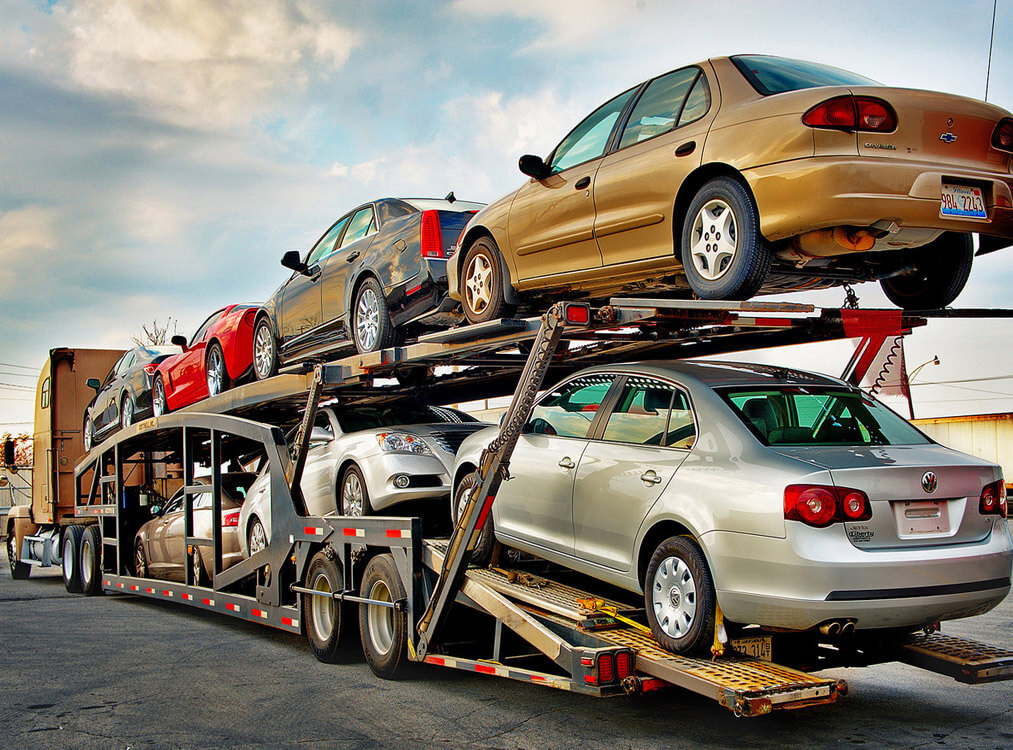
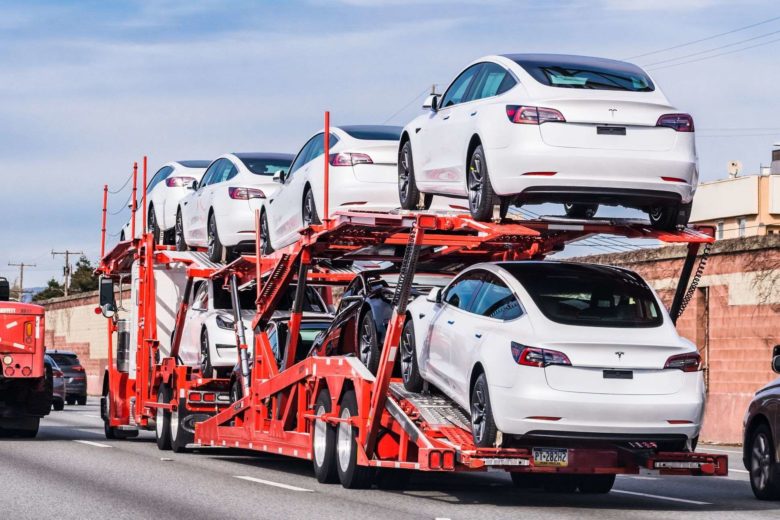
Bringing your car to France is possible, but it comes with real considerations. European emissions standards and import taxes are strict, and many American vehicles are simply too large for narrow European streets. Whether you choose Roll on Roll off (RoRo) shipping or a containerized option, Schmidt Movers can walk you through vehicle registration requirements and help you decide if shipping your car actually makes sense for your situation.
Your Moving to France Checklist
- Confirm your visa type and start the Carte de Séjour paperwork early
- Set up an international bank account or plan for a certificate of accommodation
- Prepare an itemized, translated inventory ready for customs
- Decide between LCL and FCL shipping based on your household size
- Research neighborhoods in your target city before committing to a lease
- Budget for both moving costs and the higher cost of certain goods once you arrive
- Start learning French, even at a basic level, before you land
Bringing It All Together
France asks a lot of anyone who wants to call it home, but it gives just as much back. The paperwork, the smaller apartments, and the learning curve are all real, yet so is the slower pace, the food, and the sense that life does not have to move at full speed all the time. With the right movers handling the logistics, you can spend less energy worrying about your shipping container and more energy learning where to find the best bakery in your new neighborhood.
FAQ
How much will it actually cost to move my stuff to France?
Cost depends on the volume of your shipment, where you are moving from in the US, and your destination in France. For a two-bedroom apartment moved by ocean freight, expect a range of roughly $4,500 to $8,000 or more. A personalized quote from Schmidt Movers will give you an accurate number based on your specific move.
Will my TV and other electronics even work over there?
France runs on 230V and 50Hz power, compared to 120V and 60Hz in the US. Standard plug adapters will fit French outlets, but any device that is not dual-voltage, which excludes most laptops and phone chargers, will likely get damaged. It is usually smarter to leave major appliances like TVs, blenders, and hair dryers behind and buy new ones locally.
Should I ship my car, or just buy one once I get there?
It depends on the vehicle. A classic or high-value car often justifies the cost and effort. Everyday American vehicles, though, tend to be oversized for European streets, and bringing them up to EU emissions and safety standards can get expensive. Talking through your specific vehicle with a car shipping specialist will help you make the right call.
Can I get by without speaking French?
You can get by in English within expat-heavy areas of Paris or the Riviera, but speaking French matters for real integration, building local friendships, and navigating government offices without added stress. Starting to learn before you leave the US will make your first few months considerably smoother.
How early should I start planning this move?
Booking eight to twelve weeks ahead is a solid rule of thumb. That timeline gives you room to sort out visa requirements, finalize the size of your shipment, and secure space on a cargo vessel, which matters most during the busy summer moving season.