
Moving your entire life across borders is a major milestone marking the start of a new chapter, whether that’s a career move, a lifestyle change, or the long-awaited reunion with family abroad. But before you settle into your new home, there’s one big challenge waiting: getting your belongings there safely, affordably, and on time.
The most important decision you’ll face is how your goods will actually travel, specifically whether they will sail across the ocean in a steel container, or fly through the sky in a cargo hold? This single choice can shift your moving budget by thousands of dollars and your timeline by weeks. At Schmidt Movers, we guide families and professionals through this decision every day, and in this guide we’ll break down how each option works, what they really cost, and how to pick the right one for your move.
How Each Shipping Method Actually Works
Understanding the basics of each transport method makes the decision far easier.
Ocean Freight: The Workhorse of International Moving
Ocean shipping runs on one simple idea: standardization. Your belongings are carefully packed into steel containers (usually 20-foot or 40-foot), which are then loaded onto large cargo vessels that follow set shipping routes around the world.
You typically have two options here:
- Full Container Load (FCL): You pay a flat rate for your own exclusive container. Best for full-home relocations or larger family moves.
- Less than Container Load (LCL): Your belongings share container space with other shipments, and you pay only for the volume you actually use. A smart, budget-friendly choice for smaller moves.
Air Freight: Built for Speed
Air cargo travels inside the cargo holds of passenger planes or aboard dedicated freighter aircraft. Because every kilo affects fuel costs, the whole system is optimized for speed, weight, and fast turnaround. Items are loaded onto special pallets or molded containers shaped to fit the curve of the aircraft fuselage.
In short: ocean shipping is built for volume. Air freight is built for urgency.
The Real Cost Difference: Why Air Freight Hits Your Wallet Harder
Here’s where most people get blindsided. The price gap between sea and air isn’t just about distance, but rather how each carrier calculates what you owe.
Ocean Carriers Charge by Volume
Ocean lines bill you based on cubic meters (CBM) or a flat container rate. Whether your container is full of heavy oak furniture or lightweight bedding, the price stays roughly the same. As long as it fits, it ships.
Airlines Charge by Dimensional Weight
Airlines use a strict formula called dimensional weight (sometimes called volumetric weight). They bill you for whichever number is bigger, whether that is the actual weight of your shipment or its volume converted into a weight figure.
The standard formula looks like this:
Dimensional Weight (kg) = (Length × Width × Height in cm) ÷ 5000
A Real-World Example: The Sofa Problem
Say you want to ship a standard three-seater sofa. It might physically weigh only 75 kg, but its dimensional weight could easily land at 450 kg based on its size. Guess which number the airline charges you for? The bigger one.
This is exactly why shipping furniture and large boxes by plane gets expensive so quickly. You are not just paying for weight, but also for the space your items take up in the cargo hold.
Cost Comparison at a Glance
Here’s an honest look at what an average two-bedroom move (roughly 15 CBM or 2,500 kg) might cost on a typical intercontinental route:
| Shipping Factor | Container Shipping (20ft FCL) | Air Freight (Palletized) |
|---|---|---|
| Pricing Basis | Fixed rate per container | Weight or volume -whichever is higher |
| Estimated Cost | $4,500 – $7,500 | $18,000 – $32,000+ |
| Transit Time | 30 – 45 days | 4 – 8 days |
| Customs Clearance | Standard | Often expedited |
| Per-Kilo Handling Cost | Lower | Higher |
| Carbon Footprint | Significantly lower | High per ton-mile |
The difference can be four to six times higher when shipping by air. For most households, that’s not a minor detail -it’s the deciding factor.
The Hidden Costs People Forget to Budget For
The headline shipping price is only part of the picture. A few extra costs can sneak up on you if you’re not prepared:
- Port and terminal fees at origin and destination.
- Customs duties and import taxes based on your destination country’s rules. Many countries allow used household goods to enter duty-free if you’ve owned them for over 6–12 months, the paperwork must prove it.
- Last-mile delivery from the port or airport to your new front door.
- Quarantine inspections for wooden furniture, outdoor gear, or anything that’s been near soil.
- Storage fees if your new home isn’t ready when the shipment arrives.
A trustworthy moving company will lay all of these out upfront. At Schmidt Movers, transparent quoting is non-negotiable -no surprises halfway through your move.
When Air Freight Is the Right Call
Even with its steep price tag, air freight earns its place in the right scenarios:
- Urgent corporate relocations. If your employer covers relocation costs and your role starts immediately, air freight wipes out the weeks of waiting.
- High-value or fragile items. Fine art, professional equipment, medical devices, and irreplaceable documents benefit from shorter transit times and less handling along the way.
- Minimalist moves. Shipping just a few boxes of clothing and essentials? Air freight can be fast, simple, and reasonably priced for small shipments.

When Container Shipping Is the Smarter Choice
For roughly 95% of family and household moves, ocean freight is the clear winner. Here’s why:
- Full-home moves need space. Beds, sofas, dining sets, wardrobes, outdoor gear -only containers give you the room to ship a complete household without blowing your budget.
- It protects your finances. Saving thousands on shipping leaves money for what really matters: a deposit on your new home, appliances, school fees, or simply settling in stress-free.
- More flexibility on what to bring. With FCL or LCL options, you won’t have to leave behind family heirlooms, book collections, or your kids’ favorite toys just to meet a tight weight limit.
The Hybrid Strategy: How Smart Expats Really Do It
Here’s a secret most relocation guides skip: you don’t have to pick just one method. Many seasoned expats use a hybrid approach that combines the speed of air with the affordability of sea.
Step 1: Pack Your Suitcases Strategically
Use your checked airline luggage for the essentials you’ll need in your first three to four weeks:
- Clothing for the season
- Important documents (passports, visas, birth certificates, school records)
- Work essentials and key electronics
- A few sentimental items you don’t want out of sight
Step 2: Use Express Air for the “Can’t Wait” Items
If there are a few specific items you’ll need before your container arrives -a work laptop, baby gear, or medical supplies -send them ahead with a small air freight shipment or international courier service.
Step 3: Send the Rest by Ocean Freight
Everything else -furniture, kitchenware, linens, seasonal clothing, books -goes into a container. To bridge the 6-to-10-week gap, book a furnished short-term rental at your destination. It’s far cheaper than paying air freight rates on a full household.
This combination gives you the best of both worlds: fast access to essentials, and major savings on the bulk of your move.


Don’t Skip This: Marine Insurance and Valuation Coverage
One detail that catches first-time international movers off guard is insurance. Standard shipping does not cover the full replacement value of your belongings if something is lost or damaged in transit. Without proper coverage, a damaged piano or a missing box of antiques could cost you far more than the shipping bill itself.
You’ll usually choose between all-risk coverage (the most comprehensive option, and what we recommend for full household moves) and total-loss coverage, which is cheaper but only pays out if the entire shipment is lost.
Before your goods leave the warehouse, take time to create a detailed inventory with photos and approximate replacement values. This single document protects you twice over: it satisfies customs at the destination, and it gives your insurance provider exactly what they need if a claim ever comes up.
What You Can’t (or Shouldn’t) Ship Internationally
Every country has its own list of prohibited and restricted items, and the rules are stricter than most people expect. Common items that cause delays or fines at customs include:
- Aerosol cans, paints, and flammable liquids
- Alcohol and tobacco (often restricted by quantity)
- Plants, seeds, and certain food products
- Firearms and ammunition (require special permits)
- Outdoor equipment that hasn’t been thoroughly cleaned of soil
Ask your moving consultant for the destination-specific list before you start packing. A few minutes of planning here can save weeks of customs headaches later.
Why Hiring Professional International Movers Matters
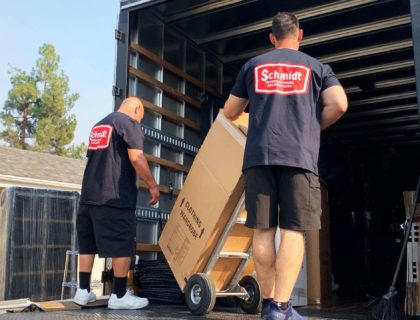
International moving isn’t just transportation. It’s customs paperwork, biosecurity rules, ocean humidity, packing standards, and a thousand small details that can derail your move if mishandled. At Schmidt Movers, we’ve seen what happens when people try to cut corners, and we have also seen how smooth a move can be when the right team handles every step.
Here’s what a professional global mover brings to the table:
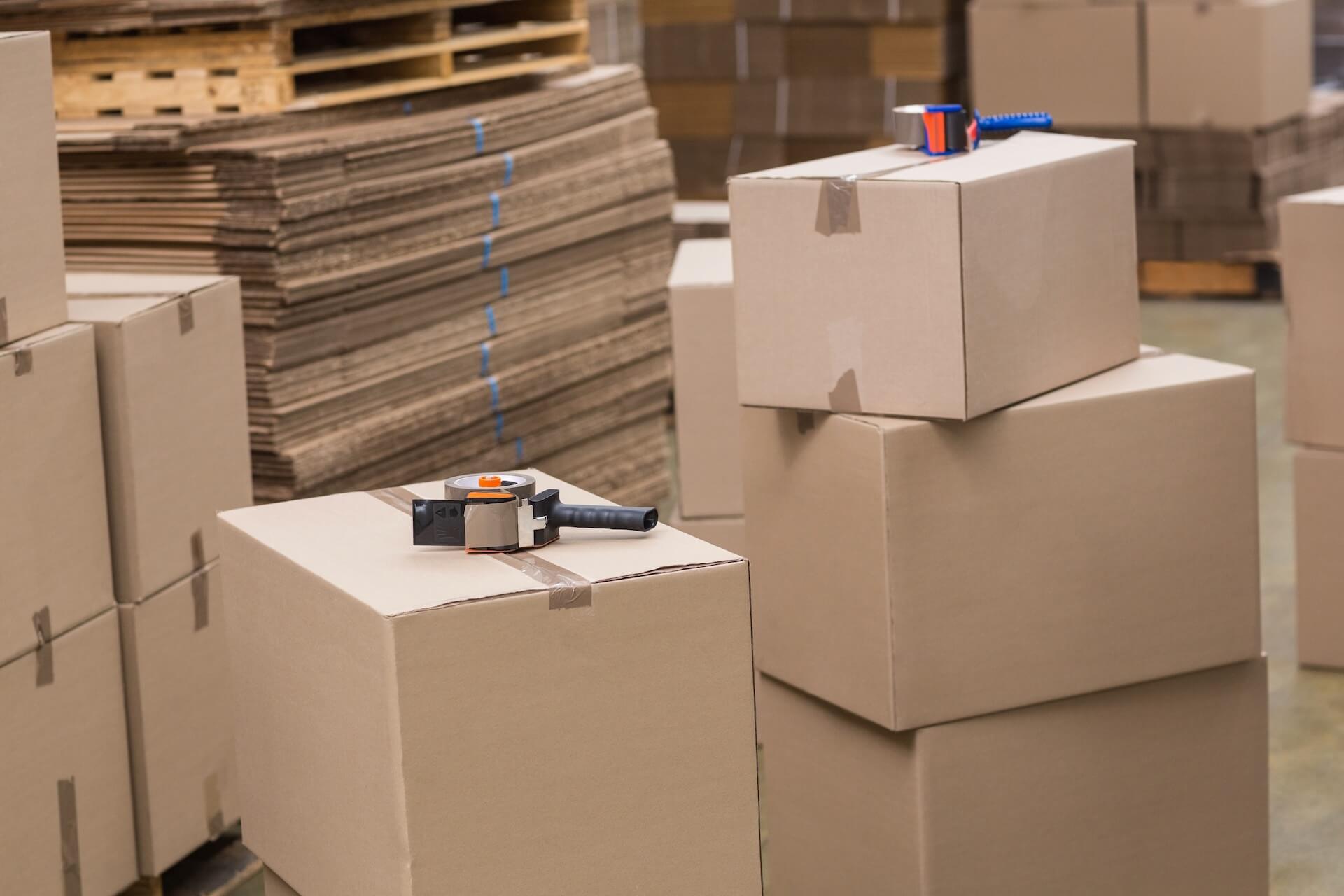
- Export-grade packing. Standard moving boxes were never designed for international transit. We use heavy-duty double-walled cartons, custom wooden crates for fragile pieces, and moisture barriers built to handle weeks at sea.
- Smart container loading. Items must be packed tightly and balanced to prevent shifting during transit. Our crews know exactly how to distribute weight so your belongings arrive in the same condition they left.
- Customs expertise. A single missing form or improperly cleaned outdoor item can stall your shipment for weeks and trigger fines. We handle the paperwork, biosecurity compliance, and local import rules so you don’t have to.
- Real-time tracking and human support. From the moment your container leaves until it arrives at your new front door, you’ll have updates -and a real person to call if anything comes up.
Make Your Move with Confidence
Choosing between container shipping and air freight doesn’t have to feel overwhelming. With the right strategy and the right partner, your belongings arrive safely, your budget stays intact, and your new chapter starts the way it should completely without the stress.
If you’re planning an international move and want honest advice for your situation, the team at Schmidt Movers is ready to help. We’ll walk you through the options, give you a transparent quote, and handle the logistics so you can focus on what’s ahead.
FAQ
How long does customs clearance take for air freight?
Air freight clears customs much faster than ocean shipments typically within 1 to 3 business days after landing. Because airport handling moves quickly and shipment volumes are smaller, your goods are typically released fast, as long as your paperwork is accurate and complete.
Is container shipping safe for sensitive electronics?
Absolutely. When prepared properly, electronics travel safely in ocean containers. We recommend wrapping items in anti-static bubble wrap, packing them in heavy-duty boxes, and adding desiccant gel packs to absorb ocean humidity. For high-value or temperature-sensitive equipment, climate-controlled container options are also available.
What happens if my ocean container is delayed at sea?
Ocean carriers stick to their schedules whenever possible, but delays do happen due to bad weather, port congestion, or geopolitical disruptions can all cause shifts. The good news is that a quality moving partner monitors your shipment via GPS in real-time and keeps you informed at every milestone, so you can adjust your arrival plans or extend temporary housing if needed.
How far in advance should I book my international move?
For ocean freight, book at least 6 to 8 weeks in advance. This gives you enough time for proper packing, customs documentation, and choosing the right departure date. Air freight can be arranged faster, sometimes within 1 to 2 weeks, but earlier is always better, especially during peak moving seasons in late spring and summer.
Can I pack my own boxes for an international move?
You can, but it’s rarely a good idea for a full household move. Most insurance policies will not cover damage to items packed by the owner (often listed as PBO on shipping documents). Professional packing keeps your belongings protected during weeks of transit and keeps your coverage fully valid.