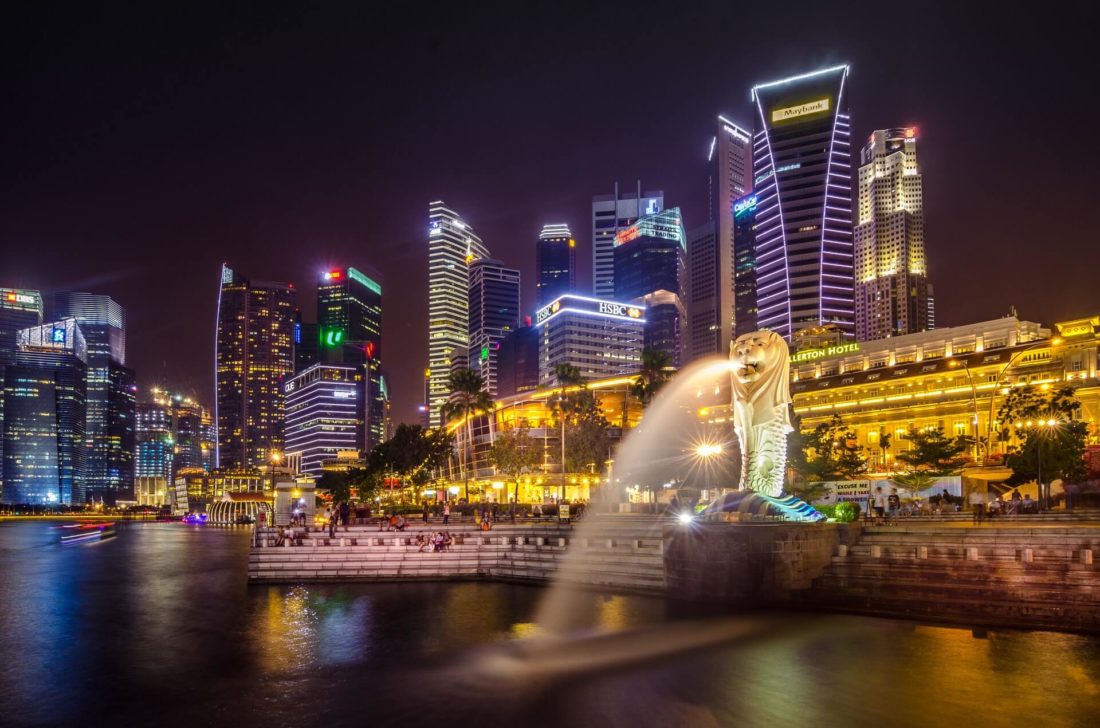

Moving from Massachusetts to Singapore means trading New England winters for year-round summer and swapping quiet suburbs for one of the cleanest, safest cities in the world. For professionals in biotechnology, pharmaceuticals, and high-level finance, it is both a career move and a complete lifestyle upgrade. Here is what life in the Asian Tiger really looks like, and how to get there without the usual relocation stress.
The City of the Future: What Changes When You Move to Singapore
The first thing you notice at Changi Airport, regularly voted the best airport in the world, is the sense of order. Singapore is spotless, green, and remarkably safe. Everything from the traffic lights to the train timetables seems to run on a quiet, reliable schedule. For anyone arriving from a busy East Coast hub, that calm feels less like a shock and more like a relief.
Much of that order comes from a system locals like to joke about.
The “Fine City” Culture
Singapore is often called a “Fine City,” a pun that captures both its high quality of life and its strict fines for small infractions. Those fines keep the streets clean and crime close to zero. A few of them still catch newcomers off guard:
- No eating or drinking on the MRT. Even a sip of water on the subway can earn you a fine.
- A chewing gum ban. Selling or importing gum is prohibited.
- Firm penalties for littering and jaywalking. Repeat offenders pay a real price.
The trade-off is easy to accept. You can walk down any street at two in the morning and feel completely safe. Public spaces stay immaculate, and the infrastructure simply works. Most expats adjust within a few weeks and stop thinking about the rules at all.
Housing: The Luxury Condo Lifestyle
If you are used to a colonial home with a backyard in the Massachusetts suburbs, the housing market here asks for a shift in mindset. Land is the most valuable thing on the island. That means nearly everyone, expats and locals alike, lives in high-rise apartments.
Most corporate expats settle into private condominiums, and the trade is a fair one. What these homes give up in lawn space, they return in amenities. Renting or buying in neighborhoods like Orchard Road, River Valley, or Bukit Timah feels less like getting an apartment and more like joining a private resort. Standard features usually include:
- Large swimming pools, often with a separate children’s pool
- Modern fitness centers and tennis courts
- Outdoor BBQ pits and entertaining pavilions
- Round-the-clock security and concierge service
The square footage may be smaller than your old place. The convenience, safety, and built-in community tend to win people over quickly, and they suit the fast, social rhythm of the city. Many families also choose their neighborhood around the nearest MRT line and the international schools, both of which shape daily life more than lot size ever did back home.

Everyday Costs and Car Ownership: The Truth About the COE
The biggest surprise for most Americans is the cost of owning a car. Back home, a car is a basic tool. In Singapore, it is a genuine luxury item.
Understanding the Certificate of Entitlement (COE)
To manage traffic and pollution, the government requires anyone buying a car to bid for a Certificate of Entitlement (COE) first. That certificate gives you the right to own a vehicle for ten years. Because the number available is capped, bidding gets fierce and prices climb quickly. The COE alone often runs $70,000 to $100,000 USD, and that is before the car, taxes, and import duties. A family sedan that costs $25,000 in Massachusetts can easily pass $120,000 once it reaches Singapore.
Why You Probably Will Not Miss Driving
The good news is that you likely will not need a car. The Mass Rapid Transit (MRT) system ranks among the best in the world. It is air-conditioned, spotless, cheap, and precisely on time. Add affordable taxis and ride-hailing through Grab, and daily travel becomes effortless.
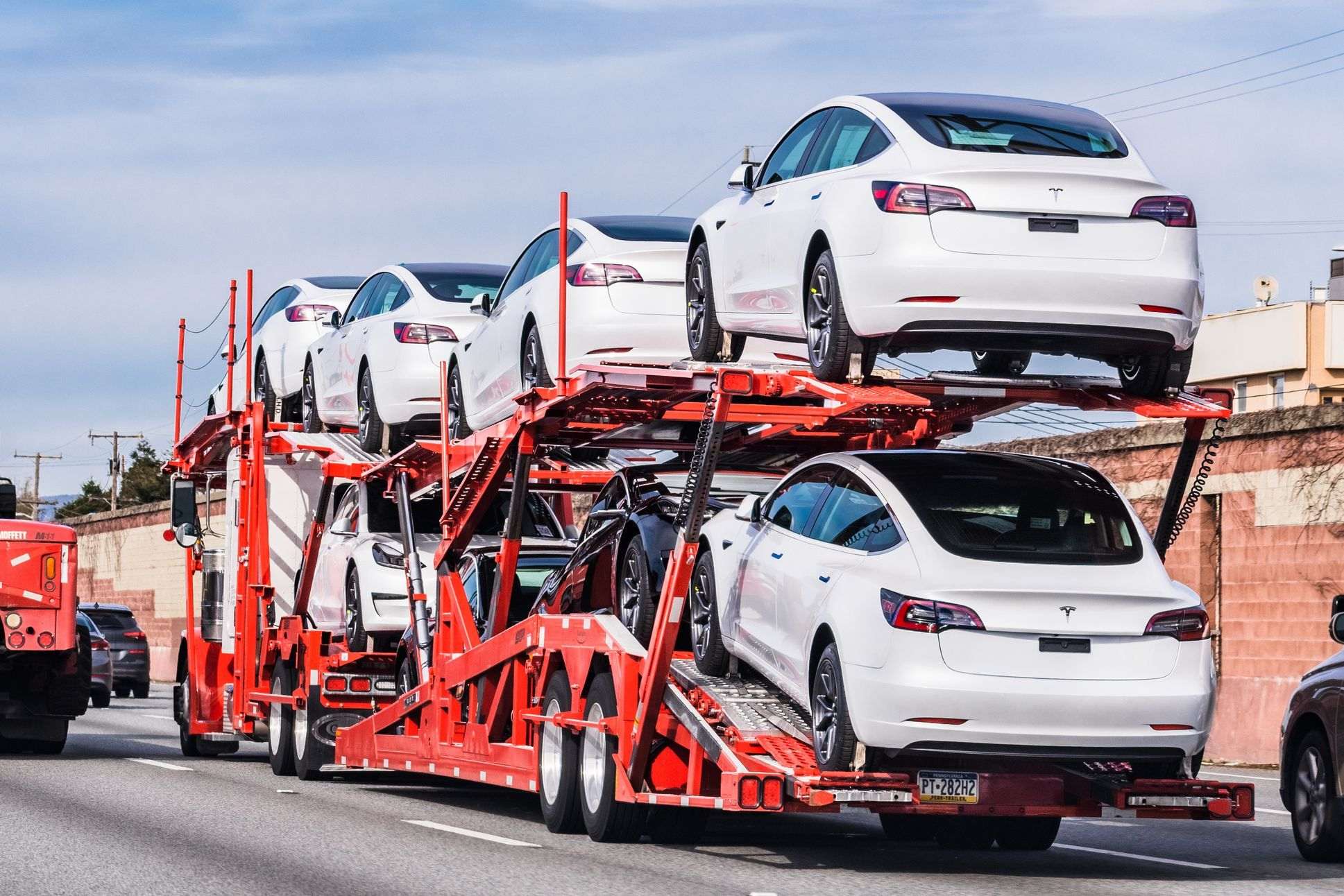
Schmidt Movers does offer international car shipping. Even so, we usually encourage clients to study Singapore’s import taxes and COE rules before shipping an American vehicle. For most expats, public transit or a local lease is the smarter and cheaper path.

Cost of Living in Singapore vs USA: A Quick Snapshot
Prices in Singapore run high in some areas and surprisingly reasonable in others. The table below shows how daily life compares with a typical setup in Massachusetts:
| Category | Massachusetts | Singapore |
|---|---|---|
| Climate | Four seasons, cold snowy winters | Tropical, around 86°F and humid all year |
| Typical home | Single-family house with a yard | High-rise condo with resort amenities |
| Car ownership | Standard, roughly a $25,000 sedan | Luxury, COE adds $70,000 or more before the car |
| Getting around | Mostly car-dependent | World-class MRT, taxis, and Grab |
| Top income tax rate | Federal plus state tax | Progressive, capped at 24% |
| Capital gains tax | Yes | None |
| Everyday safety | Varies by area | Among the safest cities anywhere |
Jobs and the Economy: A Hub for Pharma, Biotech, and Finance
Boston and Cambridge are famous for research and finance, so why are so many professionals heading east? The answer is opportunity. Singapore has built itself into Asia’s headquarters for biotechnology, pharmaceuticals, and wealth management. Major firms and research institutes run large operations here, and they actively recruit Western talent to lead them. For a scientist, an executive, or a fund manager, the city offers the kind of roles that can define a career.
A Tax System That Rewards You
The financial upside is where the move really pays off. Rather than taxing income, capital gains, and property heavily, Singapore runs a territorial and friendly system:
- Low income tax. Rates are progressive and top out at 24% for the highest earners, and most expats pay well below that.
- No capital gains tax. Your investments grow without that extra deduction.
- More money in your pocket. With a smaller share going to the government, you keep more of every paycheck, even with the city’s higher prices.
For many expats, that change in take-home pay is the single biggest difference they feel after the move. It is what turns a good salary into real long-term savings.

An Eternal Summer: Life in the Tropics
Life here plays out one degree north of the equator, with a steady tropical climate all year. Expect temperatures around 86°F (30°C) and humidity that often reaches 90%. You will never shovel snow again. You will, however, need to adjust to the heat. The city is built for exactly that, with cooled offices, underground shopping links, and chilled MRT stations that let you cross town without breaking a sweat.
Food is part of the appeal too. The city’s hawker centers serve some of the best and most affordable meals in Asia, so eating out often costs less than cooking at home. It is one of the easiest ways to settle in and feel like a local.
Your Gateway to Southeast Asia
That extra disposable income tends to go somewhere enjoyable. Singapore is one of the world’s great travel hubs. With Changi Airport minutes from home, you are a short and inexpensive flight from the beaches of Bali, the food markets of Penang, or the resorts of Phuket. Weekend trips across Southeast Asia soon become a normal part of life.
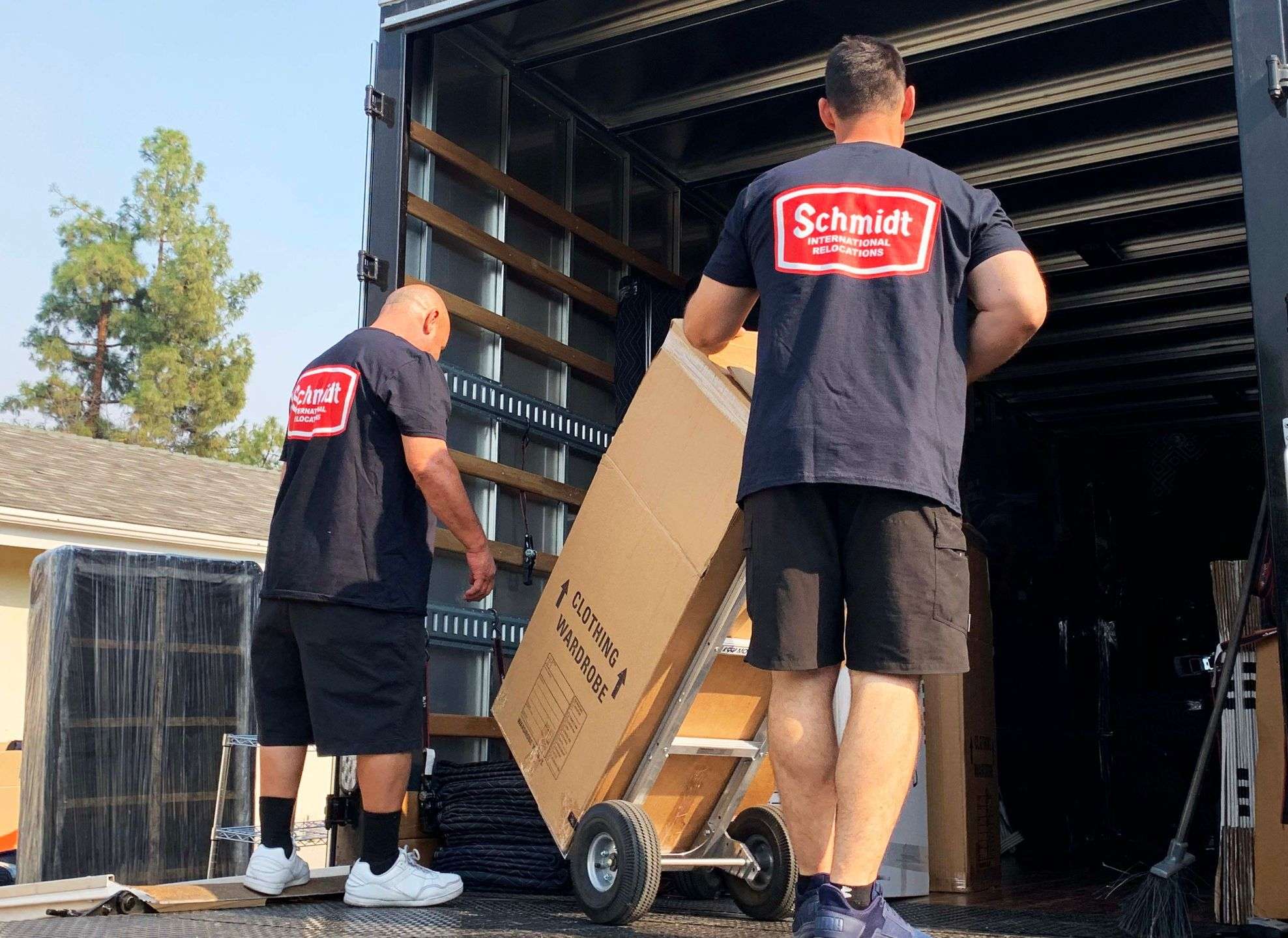
Protecting Your Home in Transit: The Schmidt Movers Approach
Moving across the world is demanding on its own. Doing it to an island with strict customs and a tropical climate calls for a specialist. At Schmidt Movers, we have spent years refining the USA to Singapore route. We do more than load boxes. We plan safe passage for the things you care about most.

Beating the Humidity
Singapore’s climate is tough on American furniture. A solid oak table that sat comfortably in your Massachusetts dining room can warp, crack, or grow mold in 90% humidity when it is packed the wrong way. Our teams use climate-conscious methods built for these conditions:
- Vacuum sealing and moisture absorbers. We vacuum-pack sensitive fabrics, linens, and mattresses, then place industrial silica gel and desiccants inside the container to keep the air dry throughout the voyage.
- Custom crating for wood and art. Solid wood and fine art need protection from shifting temperatures, so we build custom wooden crates lined with climate-control materials.
- Electronics protection. High-end electronics react badly to moisture, so we seal them in anti-static, moisture-barrier bagging.
Navigating Strict Customs
Singapore Customs is known for its strictness and a zero-tolerance policy on banned goods. A single prohibited item in your container can trigger delays, fines, or serious legal trouble. Items you cannot bring in include:
- E-cigarettes and vaping devices
- Chewing gum
- Weapons, ammunition, and even replicas or toy guns
- Certain over-the-counter medications that are legal in the US but restricted here
Our international coordinators go through your inventory with you, item by item. We handle the documentation, the customs declarations, and the port clearance, so your shipment moves through inspection cleanly.

From the East Coast to the Far East: How the Move Works
A relocation from New England to Southeast Asia depends on clean, careful logistics. Here is how a typical move unfolds:
- In-home consultation. We review your belongings in Massachusetts and flag high-value, fragile, and climate-sensitive pieces.
- Export packing and loading. Our crew packs your household and loads it into a dedicated 20-foot or 40-foot steel container.
- Port transit. The container travels to a major East Coast port, such as New York or New Jersey, and onto a cargo vessel.
- Ocean freight. The sailing to the Port of Singapore usually takes 35 to 50 days.
- Customs clearance and delivery. Once cleared, our vetted local partners deliver, unpack, and arrange everything in your new condo, then haul away the packing debris.
Ready to Start Your Next Chapter?
Moving from the academic calm of Massachusetts to Singapore’s skyline is a major milestone for your career and your lifestyle alike. The logistics should not overshadow the excitement. With the right team handling the humidity-proof packing, the paperwork, and the ocean freight, you get to focus on what matters: settling into your new life in the Asian Tiger. Reach out to Schmidt Movers for a full, no-obligation quote, and let our international specialists design a move that fits your timeline, your budget, and your home.
FAQ
How long does it take to ship household goods from Massachusetts to Singapore?
Ocean freight from the US East Coast to Singapore usually takes five to seven weeks, plus about a week for export and import clearance. For urgent items, our expedited air freight runs roughly seven to ten days.
Should I bring my wooden furniture?
Yes, as long as it is packed correctly. Solid wood can warp in high humidity, so we use moisture absorbers and custom crating in transit. Once you arrive, good ventilation and steady air conditioning will keep your pieces in shape.
Do I pay tax on used household goods?
Singapore offers GST relief on used household items for expats who meet certain conditions, such as owning the items for at least three months and importing them within six months of arrival. Our coordinators help you file the paperwork to claim the exemption.
Can I ship my car?
Yes, we offer international auto transport. Even so, we strongly suggest reviewing the COE and import taxes first. For many expats, the public transit system turns out to be the more practical choice.
Can my pets come with me?
Yes, though Singapore has strict vaccination and quarantine rules for pets arriving from the US. You will need an import license and a reserved spot at the Sembawang Animal Quarantine Station. We focus on household goods, and we can connect you with trusted pet relocation specialists for the rest.