
For a growing number of American professionals in tech and finance, moving from the USA to the Netherlands is less a romantic leap toward canals and tulips and more a calculated career decision. With favorable tax incentives, a workforce that operates in English, and a strategic spot in the heart of Europe, the country has become one of the continent’s strongest destinations for high earners.
Why American Professionals Keep Choosing the Netherlands
When top talent decides to cross an ocean, there is usually a solid reason behind it. The Netherlands offers a rare mix of financial upside, real work-life balance, and a business culture that feels familiar to Americans from day one. For developers, engineers, traders, and financial analysts, that combination is hard to ignore.
As of 2026, the country sits firmly among Europe’s economic powerhouses. Over 90% of the population speaks fluent English, the infrastructure is excellent, and the business climate actively welcomes foreign expertise. This is no longer just a land of windmills and tulip fields. It has become a serious hub for anyone building a career in technology or finance.
The 30% Tax Ruling: A Real Financial Advantage
For many expats, the numbers settle the decision. The famous 30% ruling is one of the biggest reasons American professionals look north.
If you are recruited from abroad to work in the Netherlands and you meet the salary requirements, you may qualify for a significant tax break. Under this scheme, employers can pay up to 30% of your gross salary tax-free. The allowance exists to cover the extra costs that come with an international move, known as extraterritorial costs.
Even with recent adjustments to the Dutch tax code heading into 2026, this benefit remains one of the most powerful incentives in Europe. It lifts your net income noticeably. That extra room makes the country’s high quality of life far more accessible, especially for specialists in tech and finance who already command strong salaries.
English Is the Language of Business
One of the biggest worries about relocation to the Netherlands is the language barrier. Here, that worry mostly disappears. Learning Dutch will help you settle in socially, but it is not a requirement to succeed at work.
Unlike neighboring Germany or France, major Dutch companies run almost entirely in English. Firms such as ASML, Booking.com, Adyen, and ING handle their meetings, emails, and daily operations in English as standard. American professionals can start contributing right away, stepping into technical and leadership roles without losing momentum while they pick up a new language.
Where Tech and Finance Actually Happen
The Netherlands is small, but its cities have distinct personalities. Knowing where your industry lives will help you choose the right base.
Amsterdam Zuidas: The Financial Center
Often called the “Dutch Wall Street,” the Zuidas district in Amsterdam is a sleek, modern business hub. After Brexit, many financial institutions and fintech startups moved their European headquarters here. For investment bankers, traders, and analysts leaving New York or Chicago, the Zuidas offers a fast-paced environment with one welcome difference. You can hop on a bike and be home minutes after the workday ends.
Eindhoven and Brainport: The Hardware Capital
If Amsterdam is built for finance and software, Eindhoven is built for hardware and deep tech. The surrounding Brainport region is one of the most innovative areas in the world, and it is home to giants like ASML and Philips. Engineers working in semiconductors, advanced manufacturing, or hardware design will feel right at home. The city also has a large, welcoming expat community and some of the best international schools in the country.

Visa Pathways: How Americans Gain Residency
Immigration paperwork can feel intimidating, but the Dutch have deliberately simplified the process to attract skilled workers. Two routes cover most American professionals.
The Highly Skilled Migrant Visa (Kennismigrant)
This is the most common path for people moving for a corporate role. If you hold a job offer from a recognized Dutch sponsor, and most major tech and finance firms qualify, the process is straightforward. As long as your salary meets the government threshold, approval for the Highly Skilled Migrant Visa often takes just a few weeks.
The DAFT Treaty for Entrepreneurs
Not moving for a corporate job? There is a path for you too. The Dutch American Friendship Treaty (DAFT) lets US citizens start a business or work as a freelance consultant in the Netherlands with unusual ease.
If you are an independent consultant, a startup founder, or a financial advisor, you can secure a Dutch residency permit by placing a modest amount of capital (typically around €4,500) into a Dutch business account. It remains one of the simplest entrepreneurial routes into the European Union available to Americans. And yes, the treaty is still active in 2026.
What It Is Like Living in the Netherlands
Relocation is never just a new office address. It is a shift in how you spend your days, and most Americans adapt quickly.
Dutch Directness Takes Some Getting Used To
The Dutch are known for saying exactly what they mean. In the US, workplace feedback often arrives wrapped in praise on both sides. In the Netherlands, feedback is honest and to the point. The first few weeks can feel like a culture shock. Soon enough, most professionals come to appreciate it. Meetings run shorter, expectations stay clear, and very little time is lost to office politics. You always know where you stand.
Life on Two Wheels
Prepare for a new commute. Almost everyone in the Netherlands cycles, regardless of job title or income. CEOs, bankers, and software engineers all ride to work. The cycling infrastructure is excellent, with dedicated paths kept fully separate from car traffic. Before long, you will find yourself biking through the city in every kind of weather. It is simply how the country moves.

The Cost of Living and the Dutch Housing Market
Understanding your monthly budget matters as much as planning the move itself. A solid international moving cost guide helps with the logistics, but you also need a realistic picture of life once you arrive.
The Dutch housing market is competitive, especially in the Randstad area that connects Amsterdam, Rotterdam, The Hague, and Utrecht. As a high earner, you will have an advantage, though finding the right home still takes patience. Many expats work with an aanhuurmakelaar, a local rental agent, to speed things up. Expect smaller living spaces than you are used to in the US. In return, you get higher build quality, strong energy efficiency, and neighborhoods with real character.
Many American expats rent for their first year while they explore the best neighborhoods in Amsterdam and get a feel for each city. Once settled, buying becomes an appealing option. The Dutch economy is stable, and mortgage rules for expats are surprisingly generous.
What to Keep and What to Leave Behind
Moving from a large house in Texas or a spacious California suburb to a historic canal house in Amsterdam calls for honest choices about your belongings. A few realities shape what makes the trip:
- Downsize before you pack. Dutch homes often have narrow, steep staircases and tight doorways. Oversized American furniture, such as large sectional sofas or king-size beds, frequently will not fit up the stairs or through the front door.
- Check your appliances. The Netherlands runs on a 230V electrical system. Unless an item is dual-voltage, it is usually smarter to leave heavy kitchen appliances and televisions behind and buy new ones locally.
- Expect a different pace. The biggest change many people notice is the respect for personal time. Long hours and weekend emails are frowned upon. You are moving to a country that works to live rather than living to work.

Shipping Your Life Across the Atlantic
When tech and finance professionals relocate, they rarely travel light. They are moving high-value equipment, full home office setups, and belongings that matter to them. This is where Schmidt Movers comes in.
American professionals expect transparency, punctuality, and efficiency, and those same standards define how we work. We line up our corporate relocation services with Dutch business expectations and with the demanding schedule you are trying to keep.
Protecting High-Value Belongings
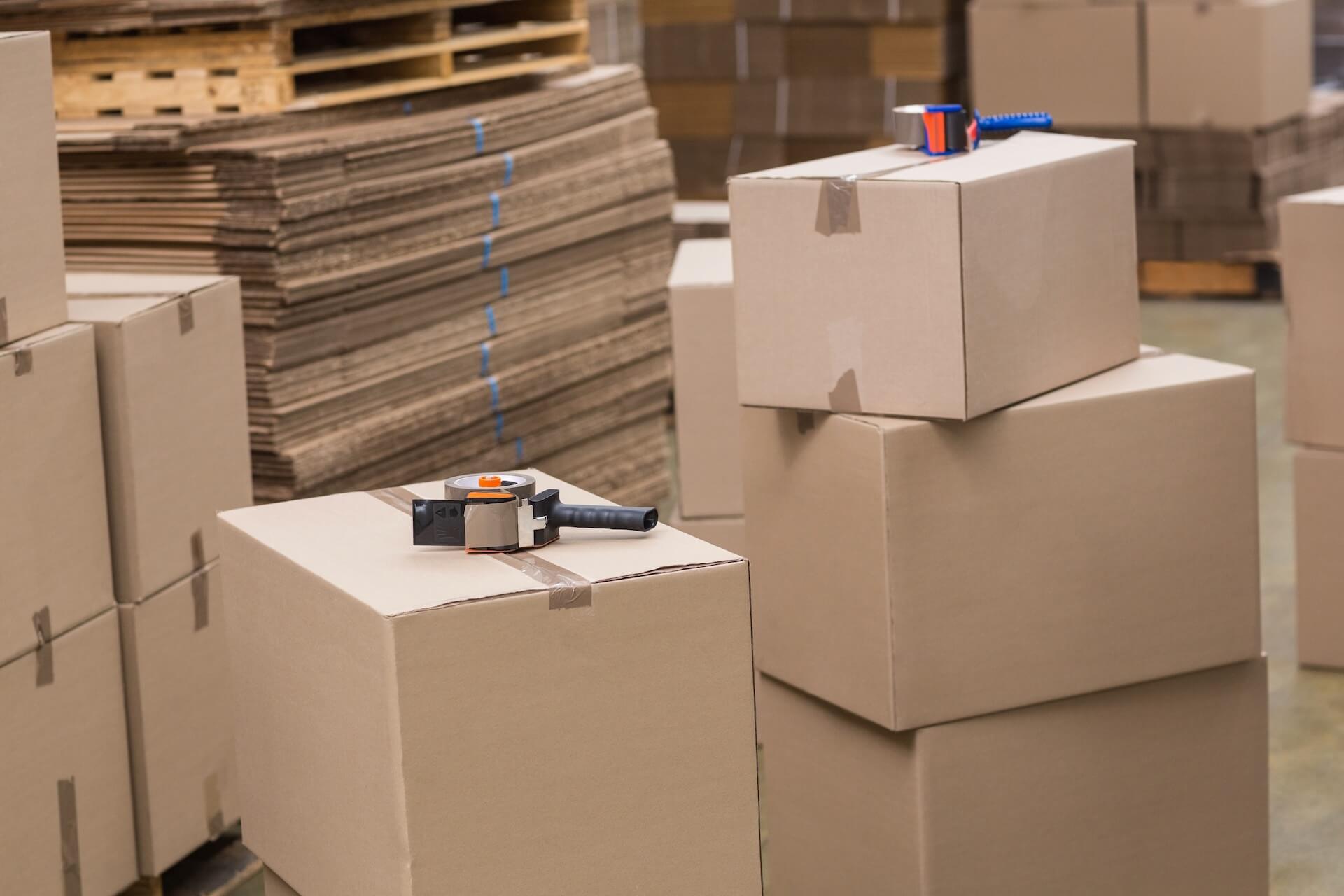
Tech professionals often ship expensive, fragile equipment. A multi-monitor home office, specialized hardware, or sensitive electronics need more than a standard cardboard box. As long-distance international movers, we build custom wooden crates sized precisely to your most valuable items. That extra step keeps your equipment secure across the entire transatlantic journey.
Choosing Between Sea and Air Freight
Every move runs on its own timeline, so we offer flexible shipping options:
- Sea freight is the most cost-effective way to move the bulk of your household. Your belongings arrive at the Port of Rotterdam, the largest seaport in Europe. We handle both full container loads for entire homes and shared container loads for smaller moves.
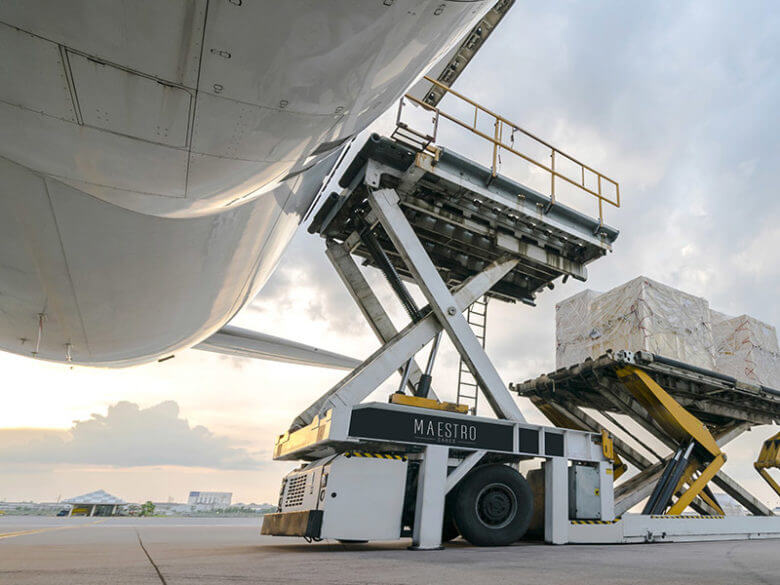
- Air freight covers the things you need the moment you land, including work equipment, essential clothing, and important documents. These ship directly to Amsterdam Schiphol Airport.
Handling Customs and Duty-Free Import
International customs can slow a move to a crawl if you do not know the rules. As someone relocating your primary residence, you can usually import your household goods free of import duties and the standard 21% Dutch VAT (BTW). The catch is the paperwork, which has to be precise. Our team prepares the exemption forms and manages the documentation for you, so your shipment clears customs without expensive delays.
A Simple Breakdown of Your Shipping Options
Here is a clear look at how we move your life across the ocean:
| Shipping Method | Best Used For | Average Transit Time | Port of Entry |
|---|---|---|---|
| Air Freight | Electronics and urgent personal items | 5 to 10 days | Amsterdam Schiphol (AMS) |
| Sea Freight (LCL) | Small apartments and partial moves | 4 to 6 weeks | Port of Rotterdam |
| Sea Freight (FCL) | Entire 3 to 4 bedroom homes | 3 to 5 weeks | Port of Rotterdam |
| Vehicle Shipping | Relocating your personal car | 4 to 6 weeks | Port of Rotterdam |
Packing, Add-Ons, and Car Shipping to Europe
Relocating across the world should not feel like a second job. Our premium white-glove service is built so you can focus on what matters, your career and your family:
- Full packing and unpacking. Our crew arrives at your US home, wraps and inventories every item, and packs everything securely. Once we reach the Netherlands, we unpack, reassemble your furniture, and clear away all the packing debris.
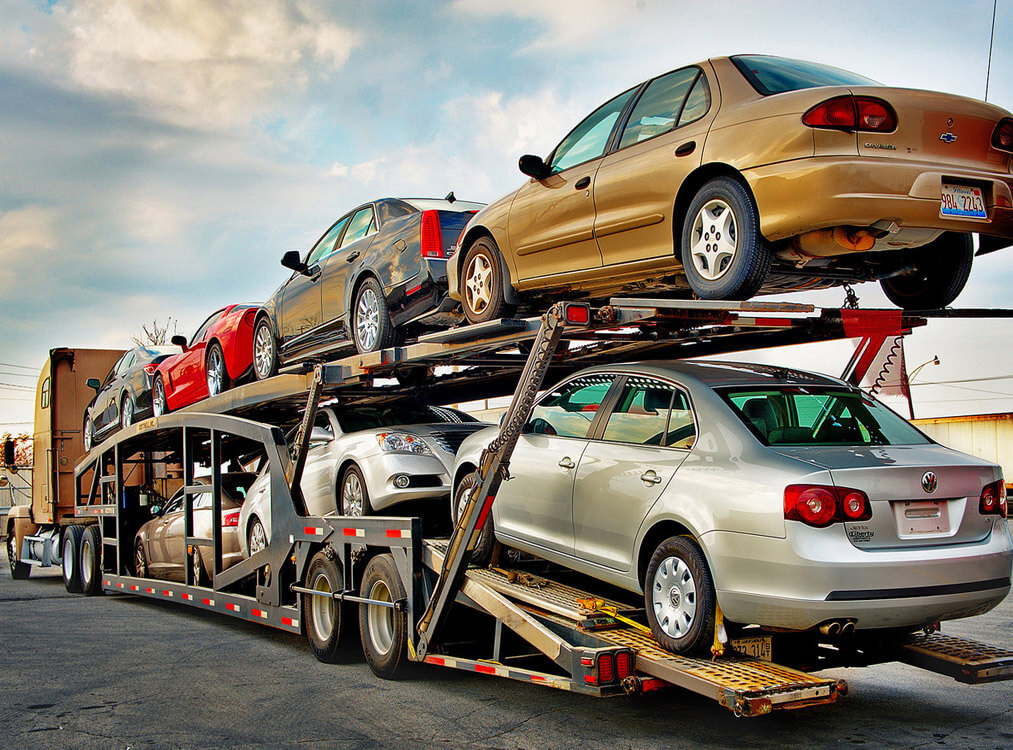
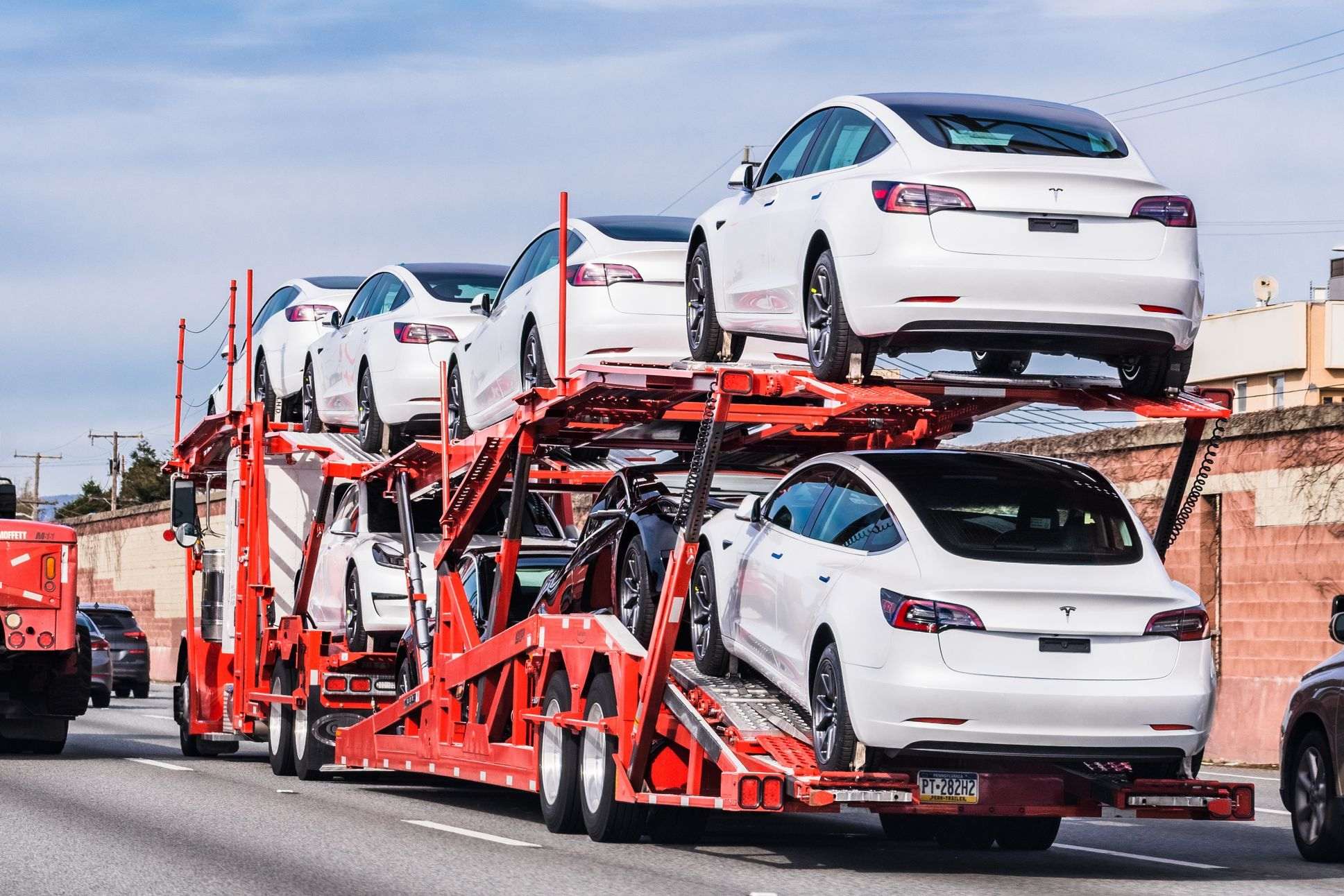
- Car shipping to Europe. Wondering whether to bring your car? If you own an electric vehicle or a high-end model, it can be worth it, since the Netherlands has some of the best EV charging coverage anywhere. We offer both Roll-on/Roll-off and enclosed container shipping straight to Rotterdam.
- Storage solutions. If your Dutch home is not ready when you arrive, we provide secure, climate-controlled storage in both the USA and the Netherlands until you are ready for delivery.
Ready to Make the Move?
Relocating from the USA to the Netherlands is one of the most rewarding career moves you can make. The strong work-life balance, generous tax rulings, and thriving hubs of Amsterdam and Eindhoven are waiting for you.
The logistics do not have to weigh down the excitement. At Schmidt Movers, we handle high-stakes international relocations with the precision, care, and reliability that American professionals expect. When you are ready, reach out for a transparent, customized quote, and let us bring you home to the Netherlands, seamlessly and right on schedule.
FAQ
How much does it cost to move from the USA to the Netherlands?
The cost depends on the volume of your goods and the shipping method you choose. A standard 2-bedroom apartment shipped by sea usually ranges from $5,000 to $9,000. For exact, transparent pricing, we recommend requesting a personalized quote from Schmidt Movers.
Can I bring my American electronics to the Netherlands?
Yes, but check the voltage first. Laptops, smartphones, and many modern monitors are dual-voltage (110 to 240V) and only need a plug adapter. Items with motors or heating elements, such as hair dryers, blenders, and heavy power tools, will blow a fuse unless you use a heavy-duty transformer.
Do I need to speak Dutch to live comfortably?
No. Over 90% of the population speaks English, and it is the working language across tech and finance. Learning a few Dutch phrases still goes a long way. It shows respect and makes social integration and new friendships much easier.
How long does it take for my belongings to arrive by ship?
Sea freight from the US East Coast to Rotterdam usually takes about 3 to 5 weeks. From the West Coast, expect 4 to 6 weeks. Customs clearance normally adds another 3 to 7 days.
Is the DAFT treaty still active in 2026?
Yes. The Dutch American Friendship Treaty remains one of the most practical and popular ways for American freelancers, consultants, and entrepreneurs to live and work in the Netherlands.